FCC Orders 67 Drone Certification Labs to Tighten Screening
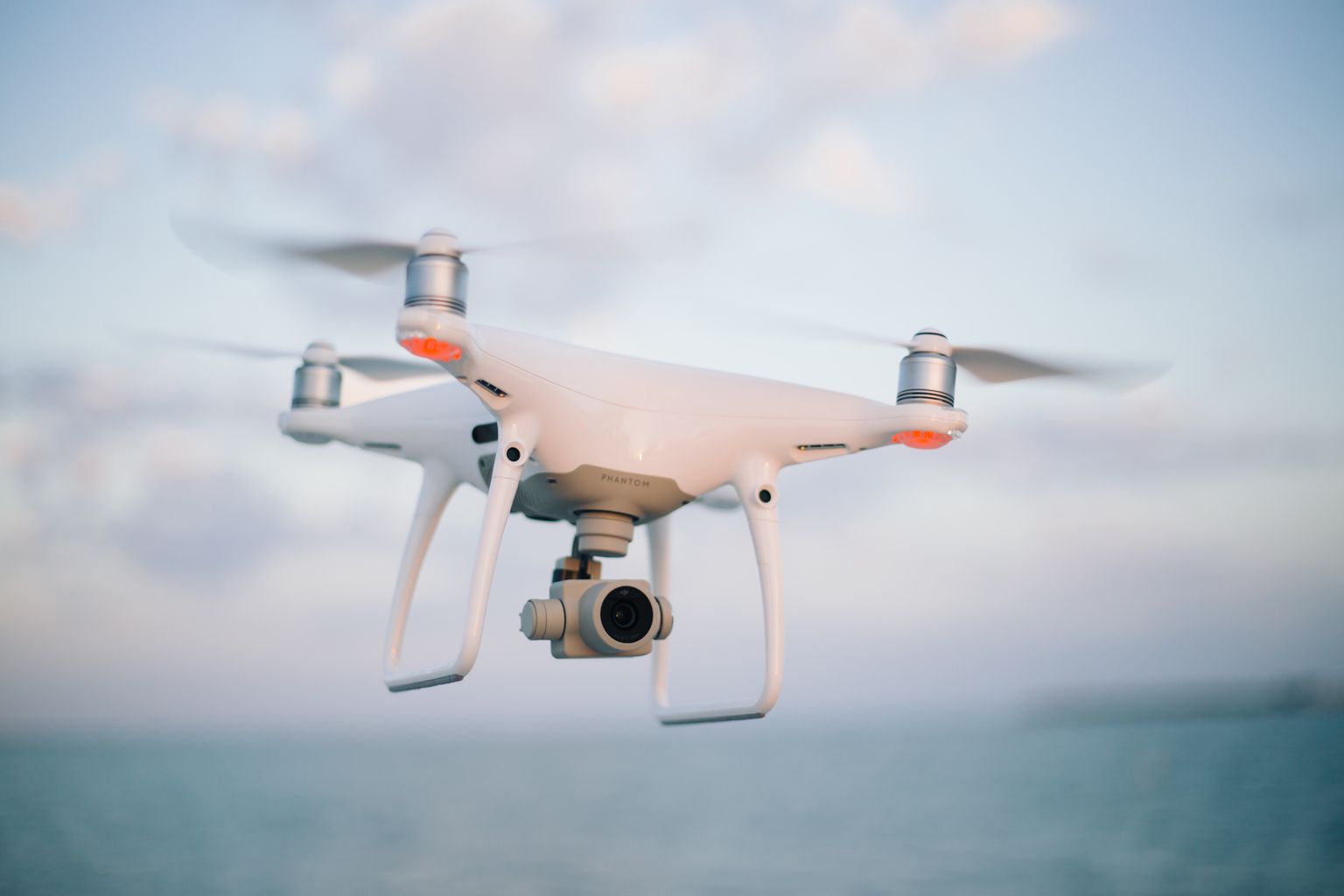
The FCC has directed all 67 of its accredited Telecommunications Certification Bodies (TCBs) worldwide to strengthen due-diligence screening on drone equipment applications, the agency said around August 21, 2026. The instruction follows an erroneous approval that let HoverAir's Versa, a Chinese-made flying camera, clear US certification despite Covered List restrictions on foreign-produced drones.
Background: A Covered List Loophole Got Through
In December 2025, the FCC placed foreign-made drones and drone components on its Covered List — equipment the agency deems an "unacceptable" national security risk that cannot legally be imported, marketed, or sold in the United States. TCBs (Telecommunications Certification Bodies) are private firms the FCC accredits to review equipment applications and issue authorizations on its behalf; manufacturers choose and pay their own TCB, and fewer than a quarter of the 67 accredited bodies are based in the US.
That structure created an opening. In August, a TCB certified the HoverAir Versa — a 230-gram gimbal camera from Chinese manufacturer Zero Zero Robotics that converts into a self-flying drone with an optional "Flight Kit" — as a standalone camera rather than an unmanned aircraft system. Zero Zero Robotics launched the Versa on Indiegogo worldwide on August 18, 2026, telling backers it was cleared for the US market. Within days, the FCC pulled the listing from its public database and said the authorization "was granted erroneously."
What the FCC Told Certification Labs
The guidance instructs every TCB the FCC accredits — not just the one that approved the Versa — to tighten review procedures so applications are checked against the Covered List before a grant is issued, rather than after a product has already reached crowdfunding backers or retail shelves. The FCC has not published the guidance itself: there is no docket number, no formal notice, and no public text, leaving manufacturers and TCBs to rely on secondhand reporting for now.
The agency also called HoverAir's continued marketing of the Versa's flying configuration a "willfully violating" act, signaling it may pursue enforcement beyond simply revoking the equipment authorization. This is not the FCC's first correction this year: in August, it also revoked the equipment authorizations of Odyssey Robot LLC, a company the agency found was fronting for a Covered List manufacturer.
Why the FCC Is Escalating Now
The Versa case is the first publicly identified failure of the Covered List review process since it took effect in December 2025, and it exposed a structural weakness: a manufacturer only needs one lab, anywhere in the world, to approve an application incorrectly for a banned product to reach US buyers. With 67 independent TCBs each making their own calls, inconsistent screening was arguably inevitable once volume picked up.
The timing also lines up with wider pressure on the drone supply chain. The White House held its first "Drone Dominance" industry meeting on August 18, 2026, and new Section 232 tariffs of up to 100% on imported drones take effect September 3. Tighter certification screening closes a compliance gap right as import policy for foreign-made drones is tightening on multiple fronts simultaneously.
What This Means for Drone Pilots
Buyers should not treat an FCC equipment authorization as a permanent guarantee, especially for recently launched products from Chinese manufacturers. As the Versa case showed, the FCC can and will unwind a certification after the fact once a product's full configuration — camera plus flight-capable attachment, in this case — is understood to make it a regulated unmanned aircraft.
Crowdfunding backers face the most direct risk: a live Indiegogo or Kickstarter campaign accepting US payments is not proof that a flying product will legally ship there. Anyone evaluating a new drone should verify its current FCC database status directly rather than trusting a manufacturer's claim, and compare it against drones already confirmed for legal US sale before committing funds. For operators flying under existing US drone regulations, the guidance itself changes nothing about day-to-day flight rules — the impact falls on import and certification, not on pilots already flying compliant aircraft.
Manufacturers and importers face the more direct effect: expect slower, more conservative reviews from TCBs while they implement stricter Covered List checks, and expect the FCC to keep auditing approvals after the fact rather than treating a grant as final.
FAQ
Sources: DroneXL | Holland & Knight
More like this
Related Articles
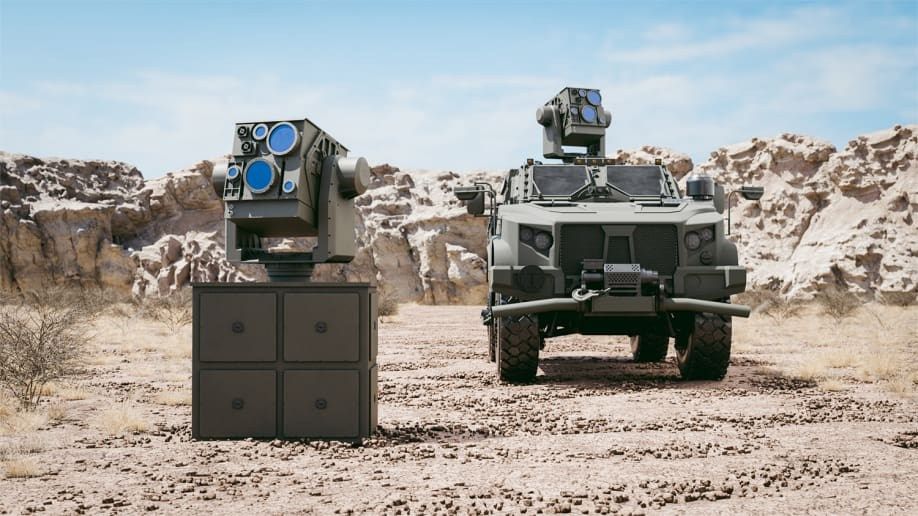
Counter-Drone Lasers: Pentagon Picks 5 US Bases (2026)
The Pentagon chose AeroVironment, Epirus, Kord, and Boeing lasers for a yearlong counter-drone pilot at 5 US bases, starting fall…
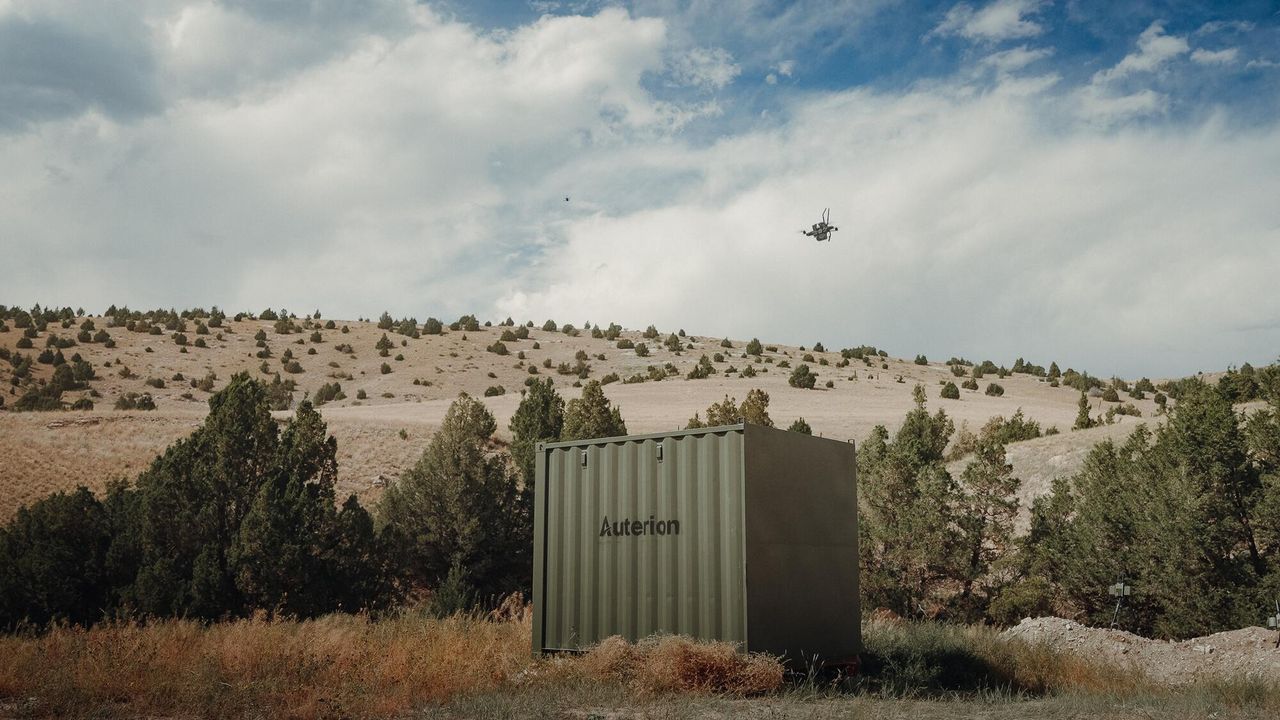
Auterion's Nemyx VLS Packs 30% More Drones, Any Brand
Auterion's Nemyx vertical launcher fires drones from any manufacturer, packing 30% more aircraft per tube for military customers i…
FAA Awards $12M for BVLOS Drone Test Research (2026)
The FAA gave $12 million to 19 BVLOS drone research projects on October 5, 2026, as its Part 108 rule sits stalled in White House…