FAA Exemption Lets Draganfly Fly Drones Over 55 Lbs
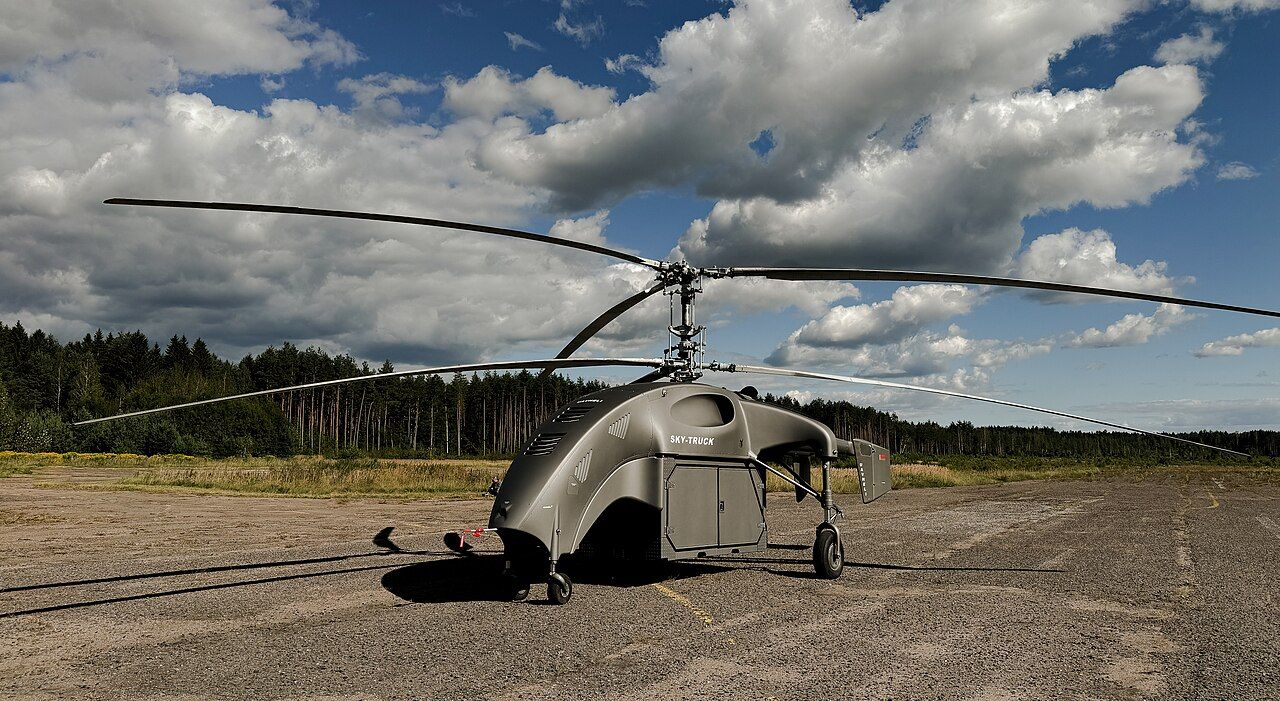
The Federal Aviation Administration granted Draganfly Inc. a Section 44807 exemption on September 1, 2026, clearing the Saskatoon, Canada-based drone maker to fly its Heavy Lift platform commercially above the 55-pound weight cap set by FAA Part 107. The approval lets Draganfly and its authorized operators run heavy-payload missions — cargo delivery, disaster-relief resupply, and infrastructure inspection among them — without the case-by-case waivers heavier drones have needed until now.
In short: the FAA used its Section 44807 special-authority process, not a Part 107 waiver, to let Draganfly's Heavy Lift drone — rated for a 30 kg (67 lb) payload — operate commercially above the standard 55-pound aircraft weight limit. It is one of a small number of U.S. exemptions covering drones this heavy for civilian use, ahead of the FAA's broader Part 108 rulemaking.
Background: why 55 pounds is the line
FAA Part 107, the rule that governs most U.S. commercial drone flights, caps standard operations at a 55-pound maximum takeoff weight. Anything heavier falls outside Part 107 by default and needs its own regulatory pathway — historically a slow, aircraft-specific process — before it can fly for pay.
Section 44807 is a standing statutory authority that lets the FAA grant special exemptions for unmanned aircraft that don't fit neatly into existing weight classes or operating rules. Rather than writing a new rule for every heavy platform, the FAA evaluates each aircraft's airworthiness, fail-safe engineering, and risk profile and issues an individual exemption. Draganfly's is one of a limited set of Section 44807 approvals covering drones above 55 pounds for civilian commercial use, according to Unmanned Airspace.
What the exemption covers
Draganfly's Heavy Lift drone carries a 30 kg (67-pound) payload and up to 55 minutes of flight time, according to the company's own product specifications. It uses industrial-grade flight controllers, redundant avionics, and modular payload mounts designed for long-range missions — the kind of engineering the FAA's evaluation specifically scrutinizes before granting a heavy-weight exemption.
"This approval underscores our engineering team's dedication to manufacturing reliable, secure, mission-critical systems," said Cameron Chell, Draganfly's President and CEO, in the company's announcement.
The exemption is aimed at customers who need to move heavier loads than a standard Part 107 drone allows. Draganfly named several target missions:
- Automated cargo delivery
- Disaster-relief supply distribution
- Infrastructure and powerline inspection
- Defense logistics
- Medical supply delivery to remote areas
- Multi-sensor aerial surveys
What This Means for Drone Pilots
For most Part 107 remote pilots, nothing changes today — the exemption applies specifically to Draganfly's Heavy Lift platform and its authorized operators, not to heavy drones generally. A pilot who wants to fly a different aircraft above 55 pounds still needs to pursue their own Section 44807 exemption or wait for the FAA to finalize Part 108, the forthcoming rule expected to establish standardized routine BVLOS and heavy-drone operating categories.
The bigger signal is precedent: the FAA is actively approving individual heavy-lift platforms for commercial work — cargo, medical logistics, disaster response — ahead of a final Part 108 rule. Operators evaluating heavy-payload drones for enterprise, public-safety, or defense contracts should expect more Section 44807 exemptions like this one to surface through 2026 as manufacturers push past the 55-pound ceiling.
FAQ
Sources: Draganfly — press release via GlobeNewswire | Unmanned Airspace
Tags
More like this
Related Articles
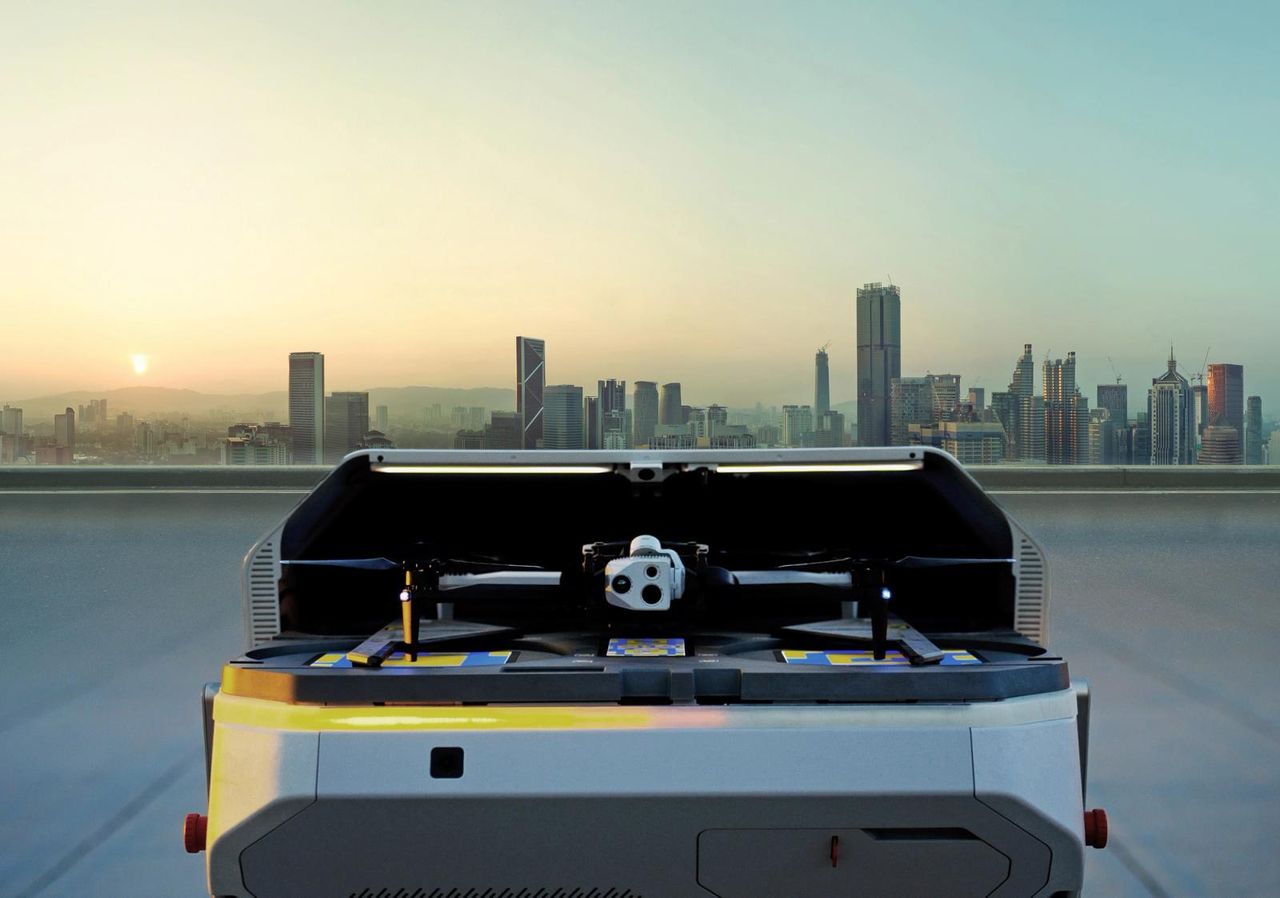
Dominion Energy Adds 100 Skydio Docked Drones (2026)
Dominion Energy is adding 100 Skydio docked drones to its fleet, per CEO Adam Bry. See what the utility says it saves, how pilots…
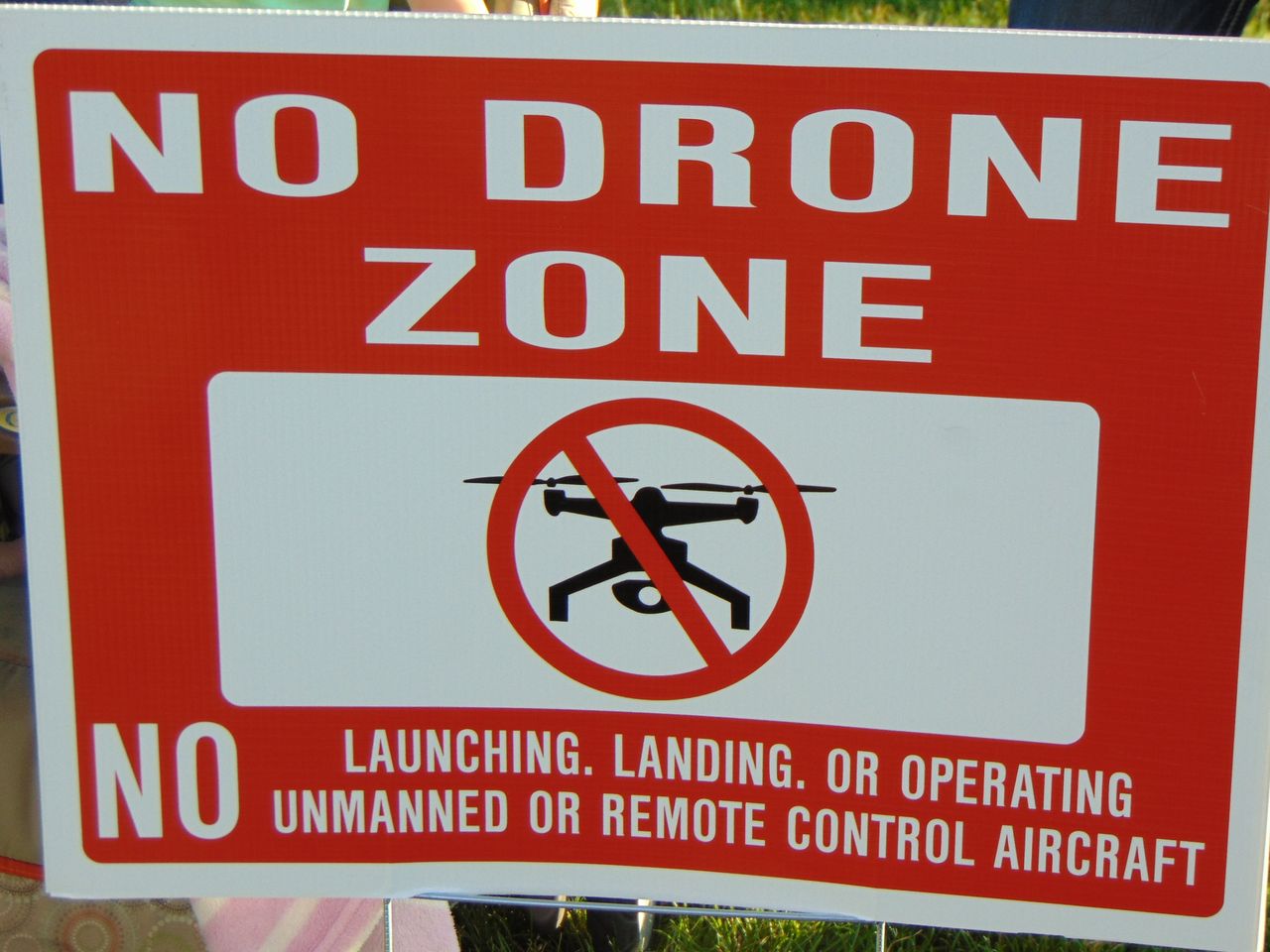
FAA Drone Ban Along US-Mexico Border Starts Oct 2026
The FAA has banned unauthorized drones within 1 nautical mile of the entire US-Mexico border, up to 400 feet. Here is who is affec…
FCC Files Sealed Pentagon DJI Letters in Ban Fight
The FCC filed eight Pentagon letters on DJI under seal and says its ban did not rely on them. Here is what Section 1709 means and…