Cleveland Clinic Launches First US Drone Rx Delivery
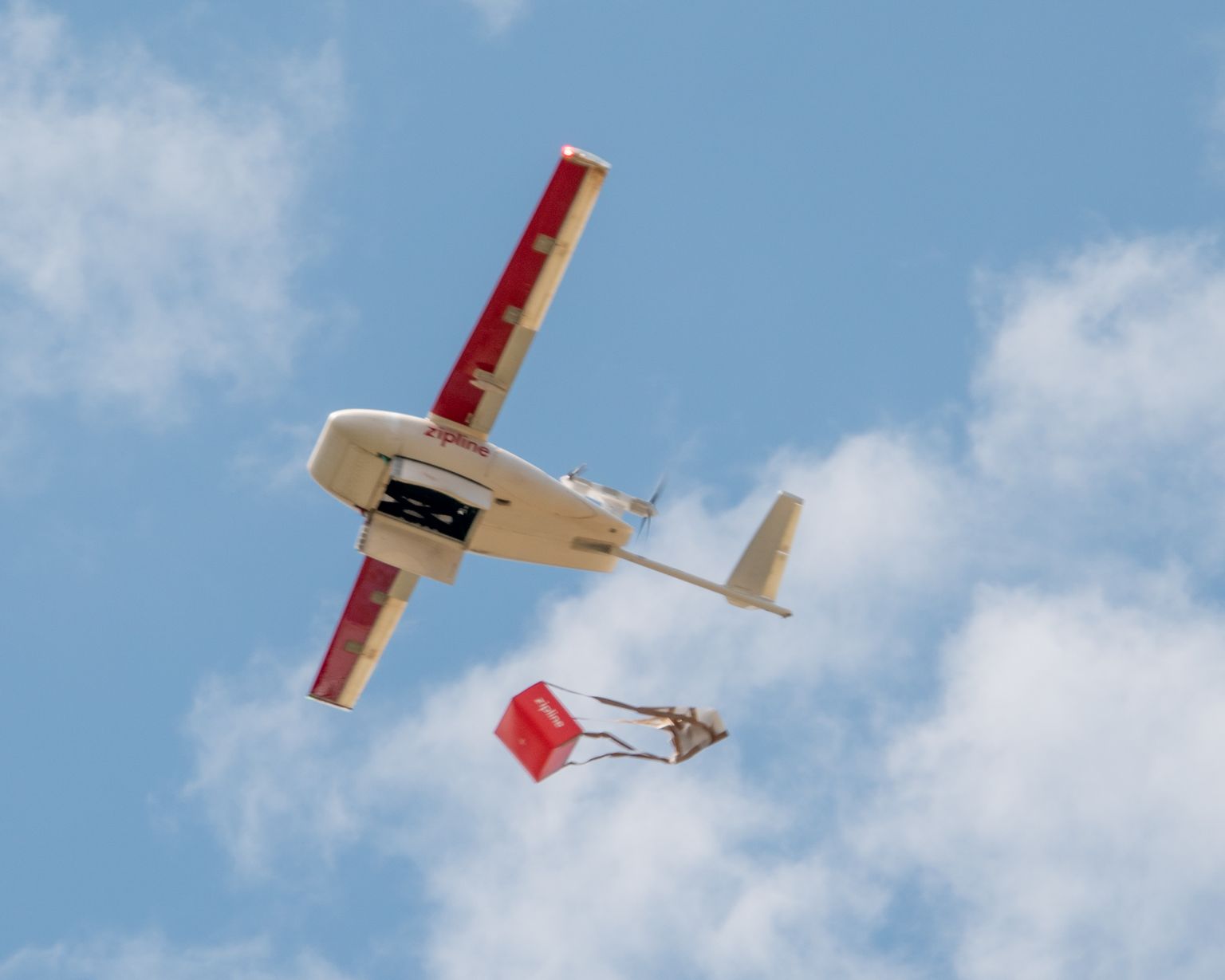
Cleveland Clinic will begin flying prescription medications directly to patients' homes by drone this summer, launching from its Beachwood Administrative Campus in Ohio in partnership with autonomous delivery company Zipline. The voluntary program is free to enrolled patients within a 5-mile radius and marks the first time a US health system has offered direct-to-home drone prescription delivery at this scale, according to DroneXL, which reported the launch details on July 13, 2026.
"We're the first in the nation to do this," said Bree Robinson, pharmacy manager for Cleveland Clinic Home Delivery Pharmacy, in comments cited by DroneXL. The pilot initially covers a limited set of prescriptions for patients who opt in near the Beachwood site, with Cleveland Clinic planning to expand delivery types and coverage across more than a dozen Northeast Ohio locations as the program matures.
Background
Cleveland Clinic and Zipline first announced their partnership in October 2023, with the health system's own newsroom describing plans to deliver specialty medications, rush prescriptions, lab samples, and medical supplies by air. Zipline's Platform 2 aircraft completed its first customer delivery in January 2025, and the Beachwood pilot — confirmed for a summer 2026 launch by Spectrum News 1 on July 8, 2026 — is the program's first live deployment.
Medical drone delivery has moved from experimental to operational in the US health sector over the past two years, driven largely by BVLOS (Beyond Visual Line of Sight) waivers that let aircraft fly autonomous routes without a pilot maintaining direct sight of the drone. Zipline holds FAA approval to operate this way, which is what makes routine home delivery — rather than one-off demonstration flights — commercially viable.
How the Delivery Works
Zipline's Platform 2 aircraft cruises roughly 10 miles in about 10 minutes and holds position around 300 feet above a delivery address rather than landing. From there, a tethered delivery pod — which Zipline calls a "droid" — steers itself down on a cable and sets the package on a target roughly the size of a doormat, in a backyard, driveway, or front step. The aircraft never descends into trees or power lines, and the droid retracts once the package is released.
That precision matters for pharmacy deliveries: temperature-sensitive medications need a controlled drop, not a parachute release into an open field. It's a different approach from Zipline's earlier Platform 1 system, which pioneered fixed-wing parachute drops for blood and medical supplies in Rwanda and Ghana starting in 2016 before the company scaled the tethered-droid design for denser US neighborhoods.
Why Cleveland Clinic Chose This Model
The Beachwood pilot deliberately starts small: a single launch site, a 5-mile radius, and a limited list of eligible prescriptions. Cleveland Clinic says the program costs patients nothing extra and remains fully optional — patients who'd rather pick up medication in person or use standard courier delivery can continue to do so.
The health system's roadmap points toward a much larger network. Plans call for extending drone delivery to specialty and rush medications, lab samples, prescription meals, and hospital-at-home support flowing from more than a dozen Cleveland Clinic locations across Northeast Ohio. Zipline is running a similar buildout in Florida, where health system BayCare has committed to a Tampa Bay drone delivery network targeted for late 2027 — evidence that hospital-launched drone fleets are becoming a repeatable model rather than a one-city experiment.
What This Means for Drone Pilots
Cleveland Clinic's launch is a hospital operation, not a hobbyist or Part 107 commercial flight — but it signals where BVLOS approvals are heading for the broader industry. Every waiver the FAA grants for structured, repeatable delivery routes like this one builds the regulatory record that eventually supports wider BVLOS access for other commercial operators, from agricultural surveying to infrastructure inspection.
For pilots and drone businesses watching the medical-delivery space, the practical takeaway is that health systems are now the customer, not just Zipline or Wing. Hospitals bring predictable routes, controlled airspace coordination with local authorities, and revenue models that can sustain dock infrastructure — the same kind of groundwork covered in our broader look at how drones are being used across the medical field. Operators building BVLOS credentials in agriculture, inspection, or public safety should expect healthcare to keep pulling regulatory attention — and funding — toward routine autonomous flight.
FAQ
Sources: DroneXL | Spectrum News 1 | Cleveland Clinic Newsroom
More like this
Related Articles
Zipline Drone Delivery Live in Round Rock, 5,000 Spots
Zipline drone delivery began in Round Rock, Texas on Oct. 9, 2026, with 5,000 early-access spots. Here's who can order, what it co…
FCC Vote on China Test Labs: 82% of Devices (Oct. 29)
The FCC votes Oct. 29 to end recognition of mainland China test labs on Dec. 1, 2028. Here's what the draft order says and what it…

FAA Order 7200.23E: Tower Drones Fly Above LAANC Grids
FAA Order 7200.23E lets Part 107 pilots inspect towers above LAANC grid altitudes without a tower call. Here are the new limits an…