Cartel Drones Now Copy Ukraine War Tactics, US Warns
An internal US government assessment reported by The Washington Post on September 22, 2026, warns that Latin American drug cartels are rapidly absorbing drone warfare tactics from the Russia-Ukraine conflict, complicating the Trump administration's counternarcotics campaign.
Mexican and Colombian criminal organizations are using money and coercion to recruit fighters returning from Ukraine's battlefields, while also sending their own affiliates to fight there to gain firsthand drone experience — a pipeline US officials say could put battlefield-grade tactics into cartel hands within months.
What the Assessment Found
Latin American cartels are recruiting Ukraine war veterans, primarily Colombians, and sending their own operatives to the front lines to learn radio-frequency hopping, thermal avoidance, and coordinated strike tactics. Colombia alone logged over 200 weaponized-drone incidents by early September 2026, up from 149 in 2025 and 38 in 2024, and US forces have downed 11 cartel-linked drones near the border since late August.
Background: From Smuggling Tool to Battlefield Weapon
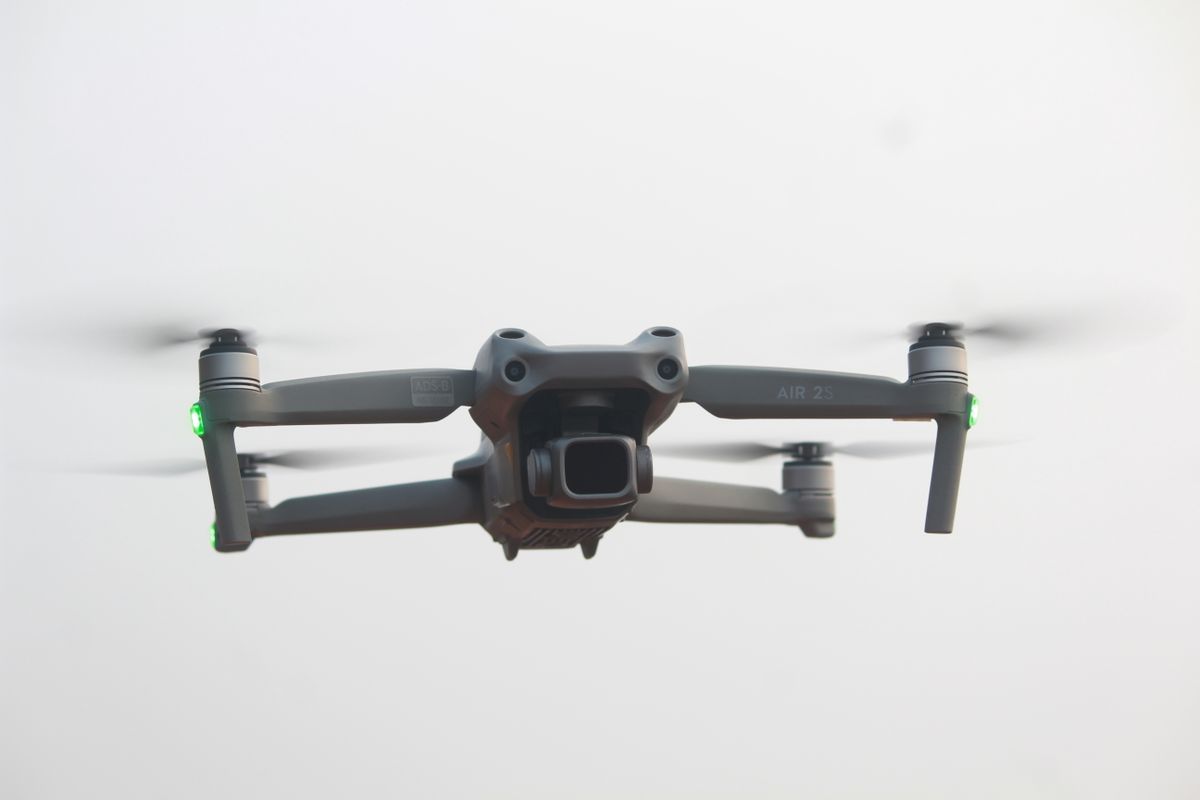
Cartels have flown drones for years, mostly small quadcopters (four-rotor multirotor aircraft) used to smuggle contraband across the US-Mexico border or scout for law enforcement. The assessment describes a shift beyond that baseline: criminal groups are now studying electronic warfare — jamming and counter-jamming of the radio link between a drone and its operator — the same techniques that have defined nearly four years of drone combat in Ukraine.
Steven Willoughby, deputy director of the Department of Homeland Security's Counter-Unmanned Aircraft Systems Program, said cartels already fly drones routinely to monitor law enforcement movements and map smuggling routes, and are now studying how to defeat the jamming systems US and Mexican authorities use against them. Retired Gen. Glen D. VanHerck, former commander of US Northern Command and NORAD, put it bluntly: "They're going to use techniques to counter our drones for surveilling them, potentially even attacking them." VanHerck identified Mexican territory, not the US border itself, as the area of greatest near-term risk.
The Ukraine Pipeline
According to the assessment, cartels are recruiting primarily Colombian nationals who fought in Ukraine's International Legion, using a combination of payment and coercion once they return home. Separately, cartels are reportedly sending their own affiliates to Ukraine specifically to gain drone operator experience before bringing that knowledge back to trafficking organizations. A State Department official confirmed awareness that Colombian fighters with Ukraine drone experience are benefiting criminal organizations, and Ukraine's Defense Ministry foreign-recruitment office said international volunteers have varied motivations and undergo background checks.
The skills being transferred are specific: radio-frequency hopping to defeat jamming, improvised explosive payloads, thermal-signature avoidance, and coordinated multi-drone strike employment — tactics refined over years of drone combat on the Ukrainian front. One US official described the trajectory starkly: "What's the next major problem we're going to have? Drones are it."
Heavier Payloads and Harder Targets to Jam
The assessment also flags a capability jump in the aircraft themselves. US officials say at least one cartel now operates a multirotor drone capable of carrying more than 150 pounds (68 kg), well beyond the consumer-grade quadcopters historically used for smuggling. Combined with frequency-hopping radio links, that payload growth turns a surveillance and smuggling tool into a platform that can carry heavier explosive charges while resisting the radio-frequency jammers that are the primary counter-drone tool available to police and border agents today.
Of the roughly 670 weaponized-drone incidents recorded across Latin America, about 72% have occurred since January 2025, according to the data cited in the assessment — a timeline that tracks closely with the intensification of drone warfare in Ukraine over the same period.
What This Means for Drone Pilots
The immediate legal and operational impact falls on law enforcement and border-security agencies rather than recreational or commercial pilots, but the trend matters for the broader drone community. It accelerates pressure for expanded counter-drone authority in the US, following the SAFER SKIES Act framework that already lets certified state and local police detect and disable drones near the border. Expect continued investment in detection and jamming-resistant countermeasures — including the high-energy laser systems the Pentagon has already used to down 11 cartel-linked drones near the border in recent weeks — and tighter scrutiny of restricted airspace along the southern border. Legitimate operators flying near border regions should expect more active enforcement of no-fly zones and temporary flight restrictions as agencies work to distinguish hobbyist and commercial flights from hostile ones. The episode is also a reminder that the same category of hardware covered in guides to types of drones — from consumer quadcopters to heavier agricultural-style multirotors — spans a wide capability range that regulators are still working to address.
FAQ
Sources: The Washington Post | Newsmax Wires / Washington Post syndication
More like this
Related Articles
Drones Shut Luxembourg Airport, 19 Flights Diverted
Unidentified drones shut Luxembourg Airport for over 4 hours on Sept. 18, 2026, diverting 19 flights — what happened, the response…
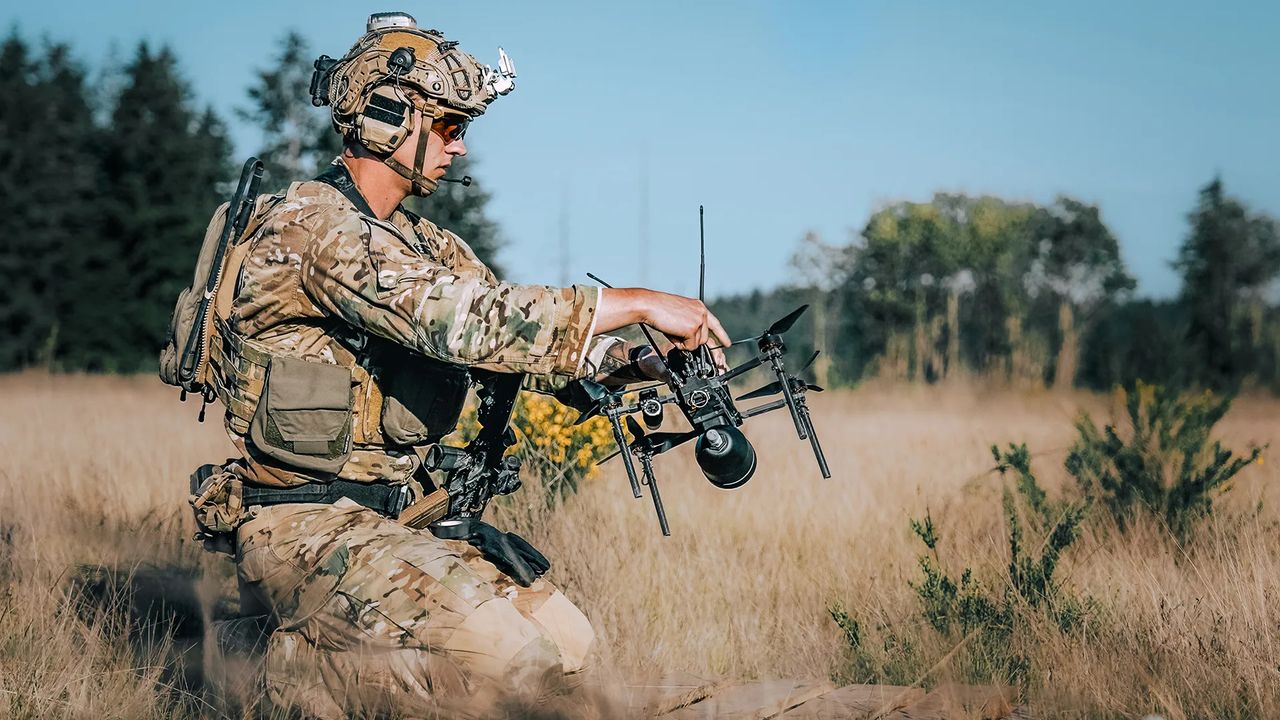
Pentagon Drone Gauntlet II Results: Neros Tops Both Boards
Neros topped both Pentagon Drone Gauntlet II boards on September 19, 2026, as UK rival Skycutter fell to fourth in the Pentagon's…
EASA Proposes Cutting Drone Registration to 100g in 2026
EASA's new Opinion 06/2026 would drop the EU drone registration and Remote ID threshold from 250g to 100g, matching the UK. Here's…