MQ-9 Reaper Replacement: Air Force's $10M Drone Plan
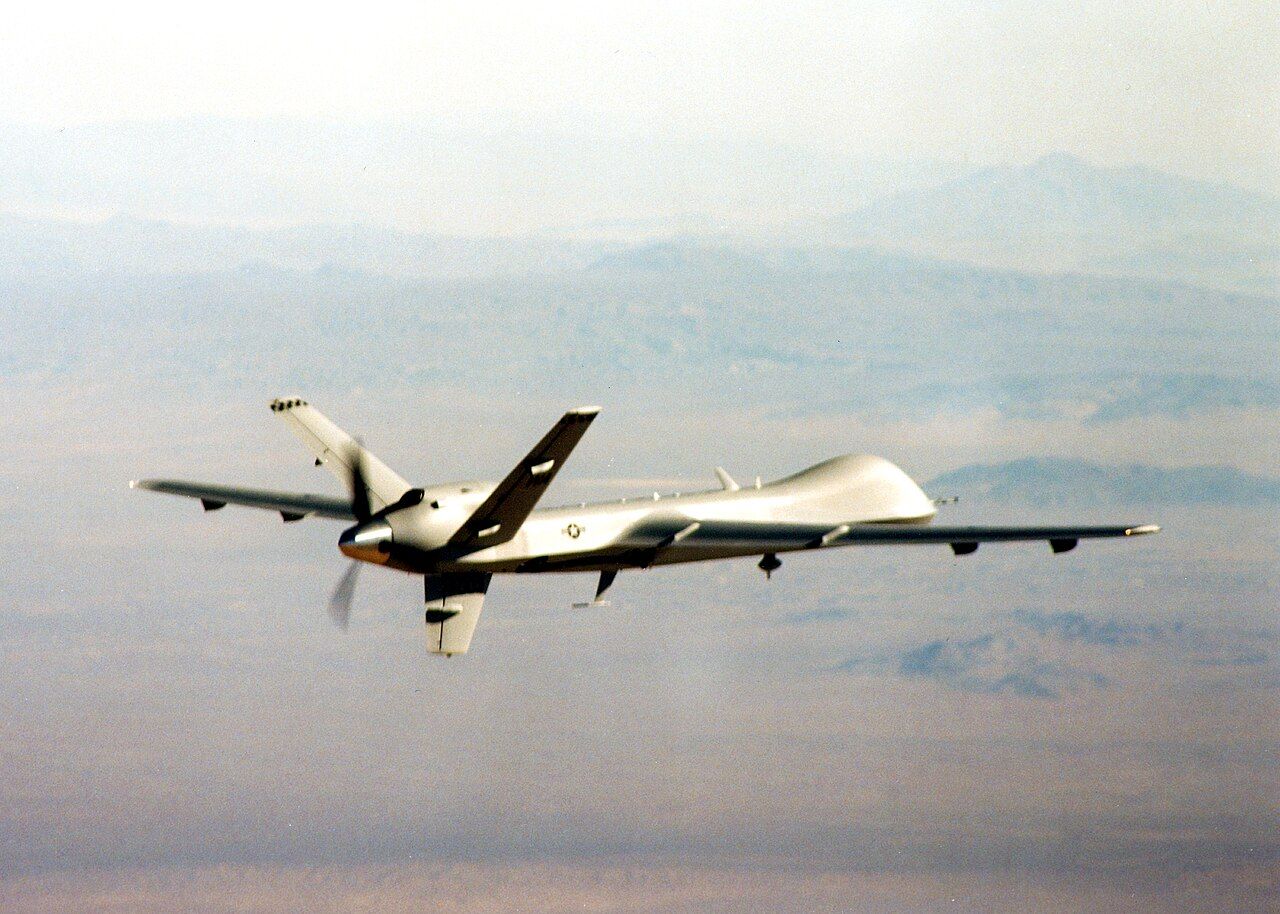
The US Air Force is accelerating a program to field a cheaper MQ-9 Reaper successor after losing 45 of the drones — about 25% of its fleet — during Operation Epic Fury against Iran, officials said on September 4, 2026. The new Massed Modular Aircraft (MMA) program targets a $10 million price per airframe, roughly a fifth of what a fully equipped MQ-9A costs today, and aims to field an initial batch of 20 aircraft years sooner than originally planned.
Background: A Fleet Worn Down Over Iran
The MQ-9 Reaper, built by General Atomics, has been the US military's primary hunter-killer drone for nearly two decades, flying long-endurance intelligence, surveillance, and strike missions once reserved for crewed aircraft. Its Achilles' heel has always been survivability: the Reaper is a slow-moving, unstealthy aircraft designed for permissive airspace, not for operating against an adversary with modern air defenses.
Operation Epic Fury, the US military campaign against Iran launched February 28, 2026, exposed that weakness at scale. As of mid-August, the Pentagon had lost 45 Reapers in the operation — a quarter of the roughly 180-aircraft fleet the Air Force had before the campaign began, shrinking the active inventory to about 135 airframes. Losses of that magnitude, on a jet that costs $30 million to $50 million depending on its sensor and weapons package, forced planners to rethink how fast a successor needed to arrive.
This is the same dynamic reshaping military drone procurement worldwide: cheap, expendable unmanned aircraft are proving they can inflict — and absorb — losses that would once have been unthinkable for expensive crewed or semi-crewed platforms.
The Massed Modular Aircraft Program
The Air Force is developing the MMA with the goal of building large numbers of "attritable" drones — aircraft cheap and simple enough to lose in combat without derailing a campaign, unlike the Reaper.
| Attribute | Detail |
|---|---|
| Program name | Massed Modular Aircraft (MMA) |
| Target unit price | ~$10 million (airframe only) |
| MQ-9A price for comparison | $30–50 million per aircraft |
| Planned fleet size | At least 180 aircraft |
| Initial fielding goal | 20 operational aircraft, accelerated toward roughly 2028–2029 from an original 2031 target |
| Design approach | Clean-sheet design using proven, decades-old technology to hold down cost |
| Lead organization | US Air Force, working with the Defense Innovation Unit |
The $10 million target covers the air vehicle alone; sensors, weapons, and other mission equipment are priced separately, so a fully equipped MMA will cost more than that headline figure. Even so, the gap to a fully loaded MQ-9A is wide enough to let the Air Force buy several MMAs for the price of one Reaper.
Why the Air Force Is Moving Faster
"We want to bring this thing forward because of the fact that, although we have plenty of MQ-9As today, we are going through them at a rate that is concerning to us," Lt. Gen. Christopher Niemi, the Air Force's chief modernization officer, said of the accelerated timeline. Niemi also acknowledged the trade-off built into the program: reaching a $10 million price point means the service will "certainly give up something" in capability compared with the Reaper.
Lt. Gen. Luke Cropsey, the Air Force's military deputy for acquisitions, said the service is applying open government reference architectures to the clean-sheet design from the outset, so that vendors compete to build compliant hardware rather than locking the Air Force into a single manufacturer's proprietary system — a lesson drawn partly from how long it has taken to adapt the Reaper's closed architecture to new threats.
The Air Force originally planned a 21-month gap between a contract award and a full-scale MMA prototype, with fielding not expected until 2031. Officials are now pushing to compress that schedule, aiming to get aircraft into service years earlier in response to the pace of losses over Iran.
What This Means for Drone Pilots Worldwide
Nobody outside the military will fly an MMA, but the program marks a turning point that touches the drone industry well beyond the Pentagon.
First, it validates a shift the industry has been signaling for two years: high-cost, exquisite aircraft are losing ground to cheaper, expendable designs built to be produced — and lost — in volume. The same "attritable" logic is already driving smaller counter-drone and loitering-munition programs across the US defense industrial base, and it is the design philosophy behind swarming drone concepts increasingly discussed for both military and civilian disaster-response use.
Second, expect intensified competition among US and allied drone manufacturers for MMA contracts. General Atomics, which has built every Reaper variant since the program began, is not guaranteed the MMA win; the open-architecture approach is explicitly designed to let newer, smaller drone makers compete on cost rather than incumbency.
Third, for allied air forces that operate or plan to operate the MQ-9B SkyGuardian/SeaGuardian family — including the UK, Australia, Japan, and several NATO members — a US pivot toward cheaper attritable drones is likely to shape what Washington offers for export in the next decade, and could pressure allied procurement plans to follow suit.
FAQ
Sources: DefenseScoop | The War Zone | Air & Space Forces Magazine
More like this
Related Articles

Spray Drone Sales Fell 59% as FCC Ban Looms (2026)
US spray drone sales fell 59% in 2025, the American Spray Drone Coalition says, and it wants the FCC to exempt Part 137 drones fro…
Massachusetts Drone Delivery Freeze: 16 Lawmakers Ask Healey
16 Massachusetts lawmakers asked Gov. Healey on Oct. 19, 2026 to freeze drone delivery certificates. MassDOT told Amazon it needs…

Amazon Drone Delivery Tallahassee: Mid-November Launch
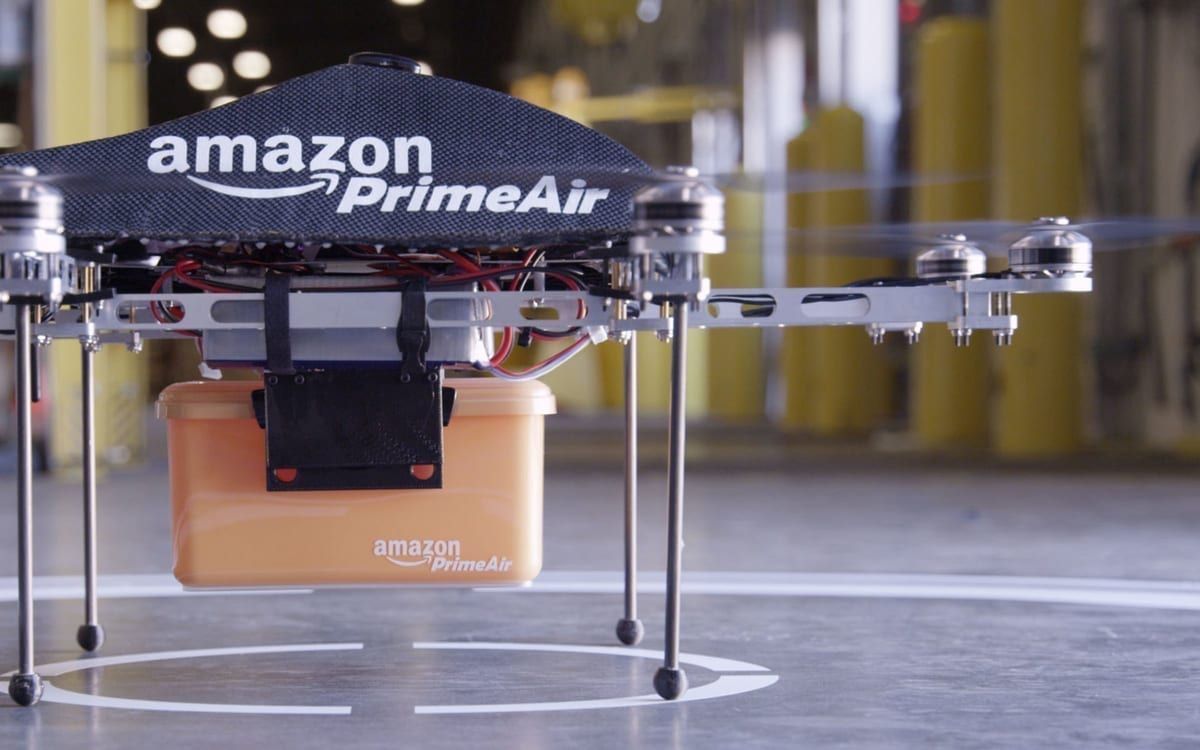
Amazon Prime Air aims to start MK30 drone delivery in Tallahassee by mid-November, with up to 21 drones and a 7.5-mile range. Here…