US Drone Production Still Lags Ukraine, Pentagon Says
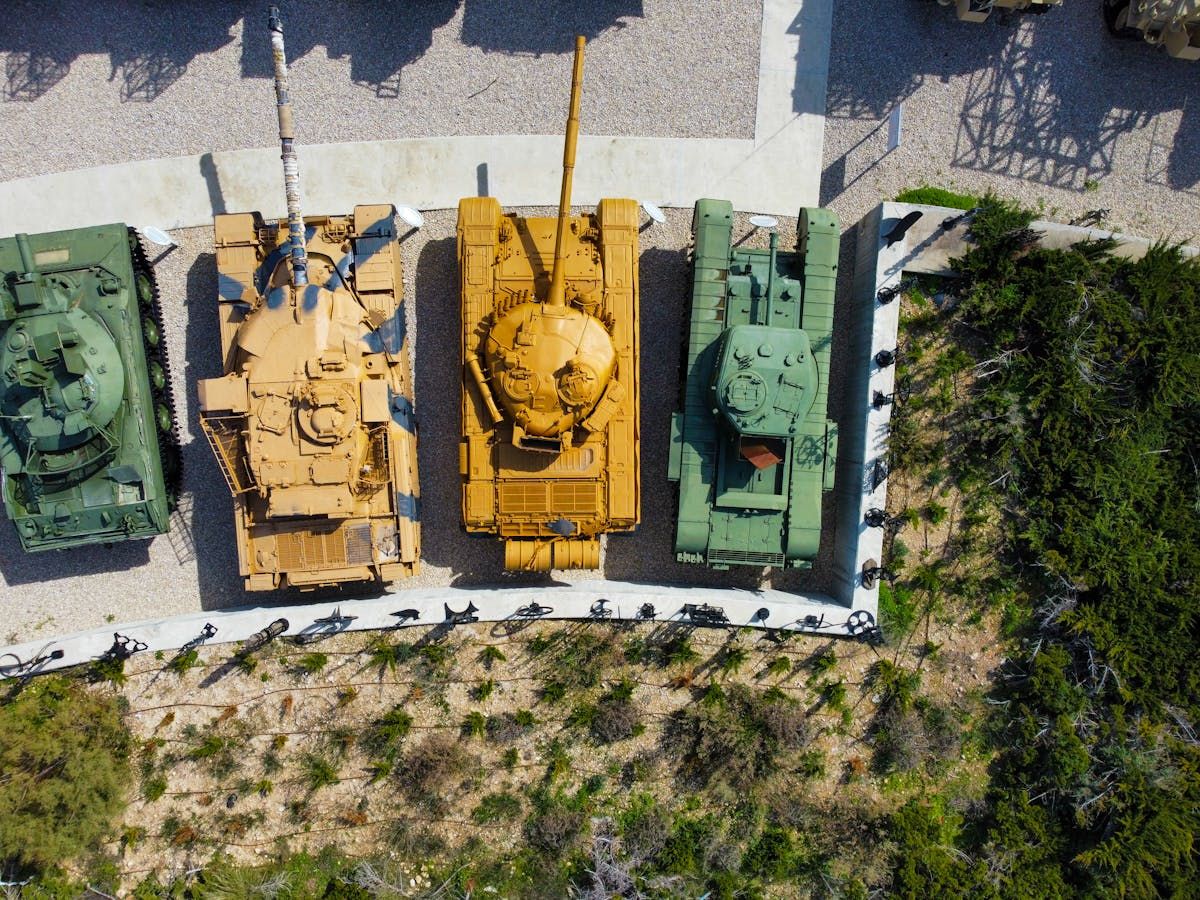
The Pentagon official leading its drone manufacturing push said on July 27, 2026, that US industry remains years away from matching Ukraine's wartime drone output. Ukraine will build 6 to 7 million small first-person-view (FPV) attack drones in 2026 — roughly 500,000 a month — while the Pentagon's $1.1 billion Drone Dominance Program will have ordered just under 200,000 drones cumulatively by February 2027, according to Reuters.
Background
The gap comes from Travis Metz, deputy director and chief operating officer of the Defense Innovation Unit, who has run the Pentagon's Drone Dominance Program since fall 2025. The initiative was created to close a battlefield capability gap exposed by drone-heavy conflicts in Ukraine and the Middle East, where cheap, mass-produced FPV drones have reshaped how ground combat is fought.
FPV (first-person-view) drones are small quadcopters flown by a pilot wearing video goggles that stream a live feed from an onboard camera, giving the operator the sensation of flying inside the aircraft. In Ukraine, disposable FPV drones armed with small warheads have become a primary anti-armor weapon, produced at a scale no Western military currently matches.
Metz acknowledged the scale of the challenge directly: "It's much harder to get from zero to 200,000" than to keep scaling once domestic manufacturing capacity already exists.
The Production Numbers
| Metric | Ukraine (2026) | United States (Pentagon program) |
|---|---|---|
| Annual FPV drone output | 6–7 million | ~200,000 cumulative by Feb. 2027 |
| Monthly output | ~500,000 | Not disclosed |
| Program budget | Wartime national effort | $1.1 billion |
| Program lead | Multiple state and private producers | Travis Metz, Defense Innovation Unit |
The disparity reflects Ukraine's three years of continuous wartime production scaling, complex US defense-procurement supply chains, and the bureaucratic hurdles of standing up new domestic manufacturing lines capable of building several drone models simultaneously.
New Rules Target Chinese Components
On July 23, 2026, the Pentagon issued a revised supply chain framework requiring military drones to be built with US-made parts, stating the government's ultimate goal is "a wholly domestic" small unmanned aircraft system supply chain. Metz said earlier program phases likely used drones that "contained Chinese motors," and the new rules explicitly bar Chinese-made brushless motors and battery packs going forward.
The framework will be tested at an August competition at Fort Carson, Colorado, known as "Gauntlet II," where 19 US companies and six Ukrainian companies will compete. Ukrainian firms entering the competition are required to localize production in the United States as a condition of winning future orders — a policy already producing early partnerships:
- F-Drones, a Ukrainian manufacturer, opened a US production facility with Ohio-based Ukrainian Defense Drones near Toledo.
- General Cherry, another Ukrainian producer, agreed to a joint venture with Wilcox Industries, based in New Hampshire.
What This Means for Drone Pilots
The Drone Dominance Program is a military procurement effort, not a consumer or commercial rulemaking, so it does not directly change what a civilian Part 107 pilot or hobbyist can fly today. Its impact is indirect but real: the same "Buy American," China-component restrictions being written into military contracts echo the logic behind the FCC's ongoing restrictions on foreign-made drones in the commercial market, and both point toward a US drone-manufacturing base that barely exists yet outside a handful of companies.
For manufacturers and component suppliers, the Fort Carson "Gauntlet II" test and the US-Ukraine joint ventures signal where near-term domestic defense contracts — and potentially spillover investment in US-made motors, batteries, and airframes — are likely to land first.
Frequently Asked Questions
FAQ
Sources: Reuters via Yahoo News | Daily Maverick
More like this
Related Articles
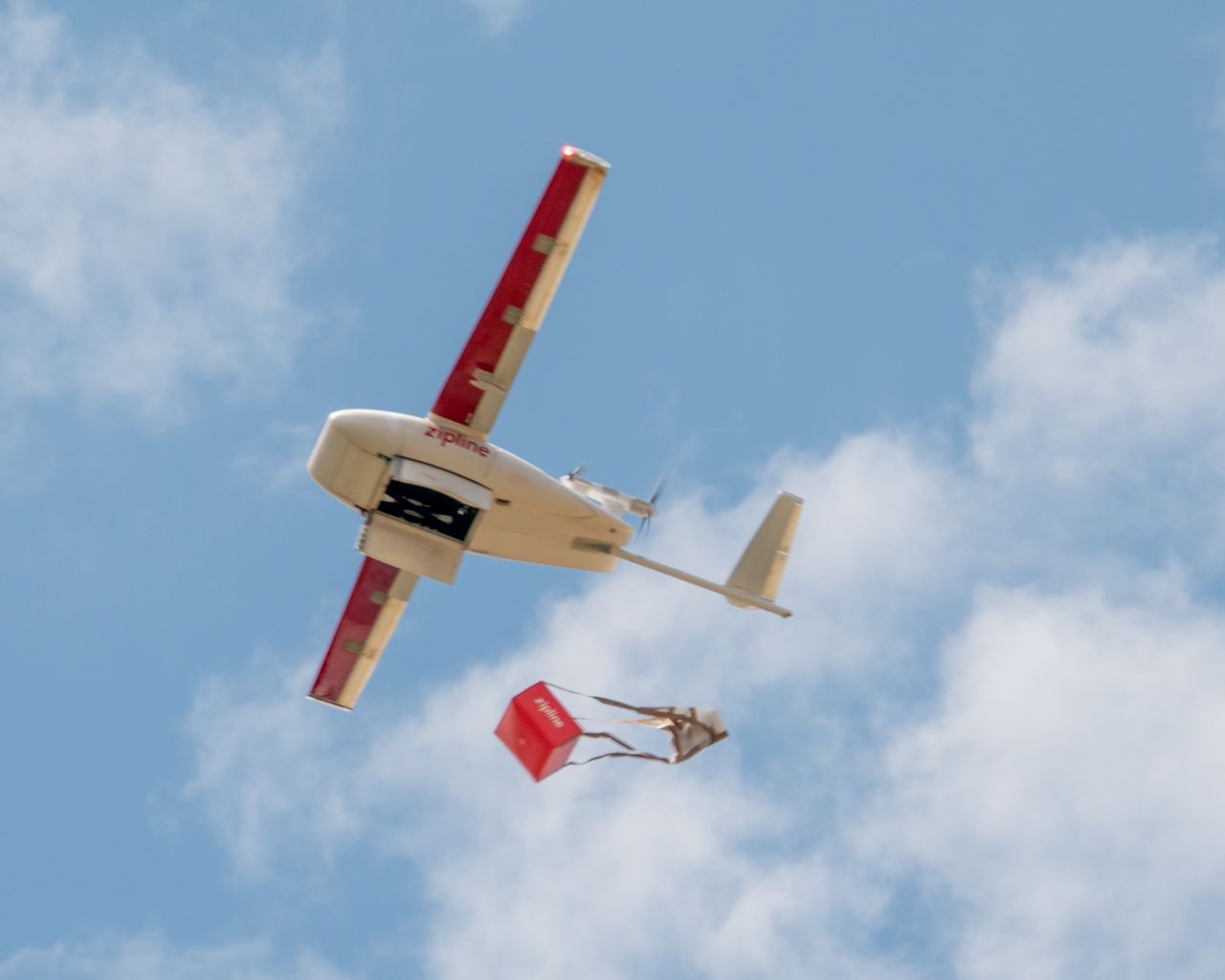
Zipline Asks FAA for 220,000 Texas Deliveries a Day
Zipline has filed a draft FAA environmental review seeking approval for 220,000 drone deliveries a day across five Texas metros —…
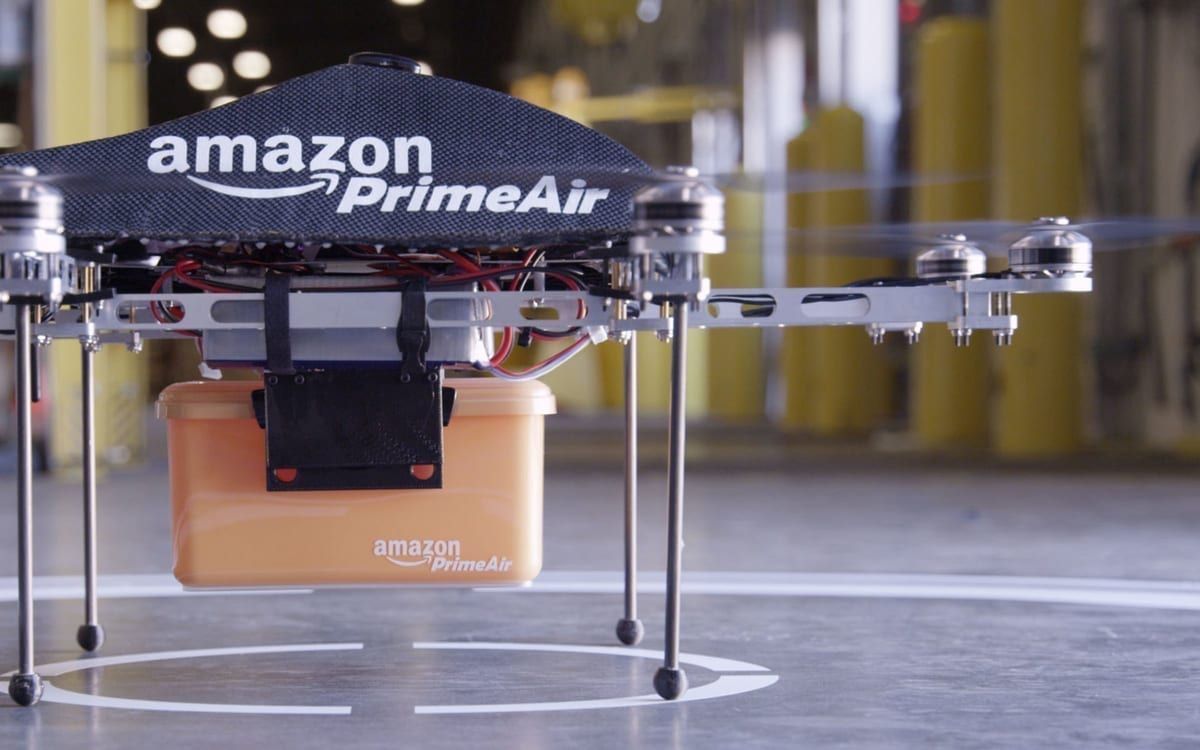
Amazon Seeks CAA Approval for Town-Wide UK Drone Delivery
Amazon has flown 500+ Prime Air deliveries in Darlington and wants CAA approval to cover the whole UK town — a key test case for w…
Wingcopter 262: 6-Hour Tactical eVTOL Debuts for Defense
Wingcopter unveiled the 262, an all-electric eVTOL with 150 km range and 6-hour endurance, built with Ukraine's TAF Industries for…