Uber Eats Adds Zipline Drones, Targets 1M Daily Flights
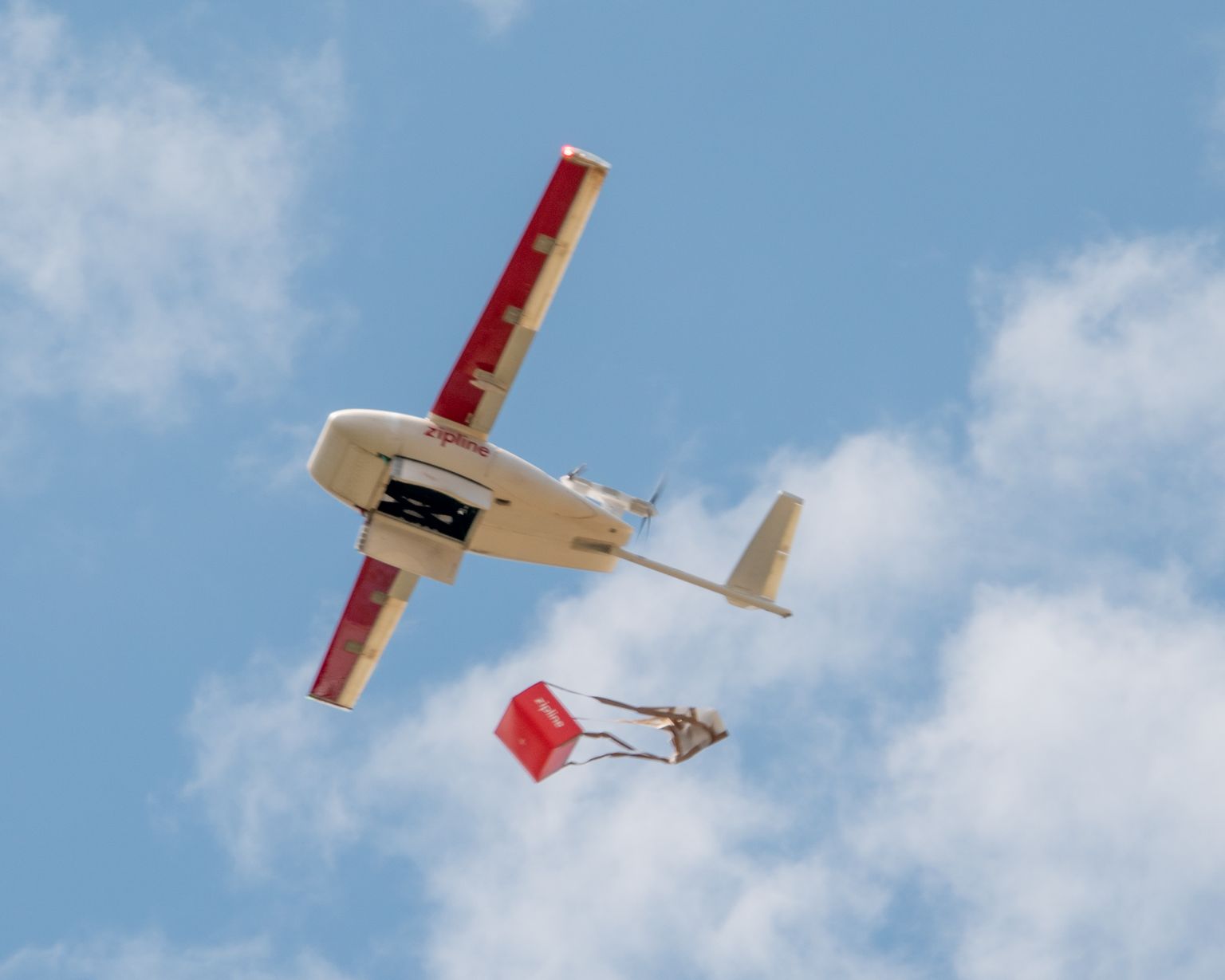
Uber and Zipline announced a partnership on August 17, 2026 to bring autonomous drone delivery to Uber Eats, with Uber making a strategic investment in Zipline as part of the deal. Zipline drones begin flying Uber Eats orders in Houston and Dallas before the end of 2026, with the companies targeting 1 million drone deliveries per day nationwide by the end of 2029.
Background
Zipline has spent nearly a decade building autonomous delivery drones, starting with medical supply runs in Rwanda and Ghana before expanding into US consumer delivery with partners including Walmart, Panera, and Cleveland Clinic. The company said in July 2026 that its US marketplace grew 13X in the first half of the year, passing 2.5 million lifetime flights as it hired executives away from Tesla, Waymo, and Uber itself.
BVLOS (Beyond Visual Line of Sight) is drone flight conducted without the pilot keeping the aircraft in direct eyesight, relying instead on sensors and automated systems — the FAA authorization that makes routine drone delivery at scale possible. Zipline already holds this clearance across its existing markets, which let it plug into Uber Eats without waiting on new regulatory approval.
For Uber, the deal extends what the company calls a hybrid delivery network that already combines human couriers with Avride's sidewalk delivery robots. Drones add a third leg aimed at the fastest, shortest-distance orders — the segment most exposed to competition from Walmart-backed Wing and DoorDash's drone pilots.
How the Uber Eats Rollout Works
Uber Eats customers in eligible zip codes will see a drone delivery option alongside standard delivery at checkout, according to TechCrunch and Axios, both reporting August 17, 2026. Orders are prepared by participating restaurants and grocers, loaded into Zipline's autonomous aircraft, and lowered to the customer's location by a tethered delivery droid rather than a full drone landing.
Zipline says the flights typically complete in five to ten minutes door-to-door, well under the 20-to-30-minute norm for ground courier delivery in the same markets. The service launches first in Houston and Dallas, both cities where Zipline already operates delivery routes for other retail partners, before expanding to "dozens" of additional US cities.
| Company | Role | Launch markets | 2026 status |
|---|---|---|---|
| Uber | Platform + investor | Houston, Dallas | Integrating Zipline into Uber Eats app |
| Zipline | Drone operator | Houston, Dallas + existing markets | 2.5M+ lifetime flights, 13X US growth in H1 |
Uber declined to disclose the size of its investment in Zipline when asked by Reuters. The partnership is described by both companies as Uber's largest commitment to drone delivery to date.
What This Means for Drone Pilots
The deal is another signal that BVLOS delivery has crossed from regulatory pilot programs into mainstream consumer logistics, reinforcing the FAA's shift toward scalable nationwide clearance for operators that can demonstrate a safety record. For commercial drone operators and BVLOS specialists, Uber's entry adds a fourth major buyer — alongside Amazon, Walmart, and DoorDash — competing to lock in drone delivery capacity and talent in the same metro markets.
It also raises the stakes for airspace coordination in cities like Houston and Dallas, where Wing, Zipline, and now Uber-branded deliveries will operate simultaneously. Pilots and operators working delivery routes in Texas should expect denser drone traffic and more detailed local coordination requirements as multiple platforms scale in the same neighborhoods this year.
FAQ
Sources: TechCrunch | Axios
More like this
Related Articles
FAA Awards $12M for BVLOS Drone Test Research (2026)
The FAA gave $12 million to 19 BVLOS drone research projects on October 5, 2026, as its Part 108 rule sits stalled in White House…
Germany Backs Ukraine With $9.6B Drone Interceptor Deal
Germany and Ukraine signed 15 defense deals worth over $9.6B on Oct. 4, funding mass production of jet-powered interceptor drones…
Wing, Walmart Drone Delivery Hits Denver, Seattle in 2027
Wing and Walmart will launch drone delivery in Denver and Seattle in 2027, expanding toward 270 Walmart stores and 40 million US c…