Drones Breach Australia's F-35 Base Twice in a Month
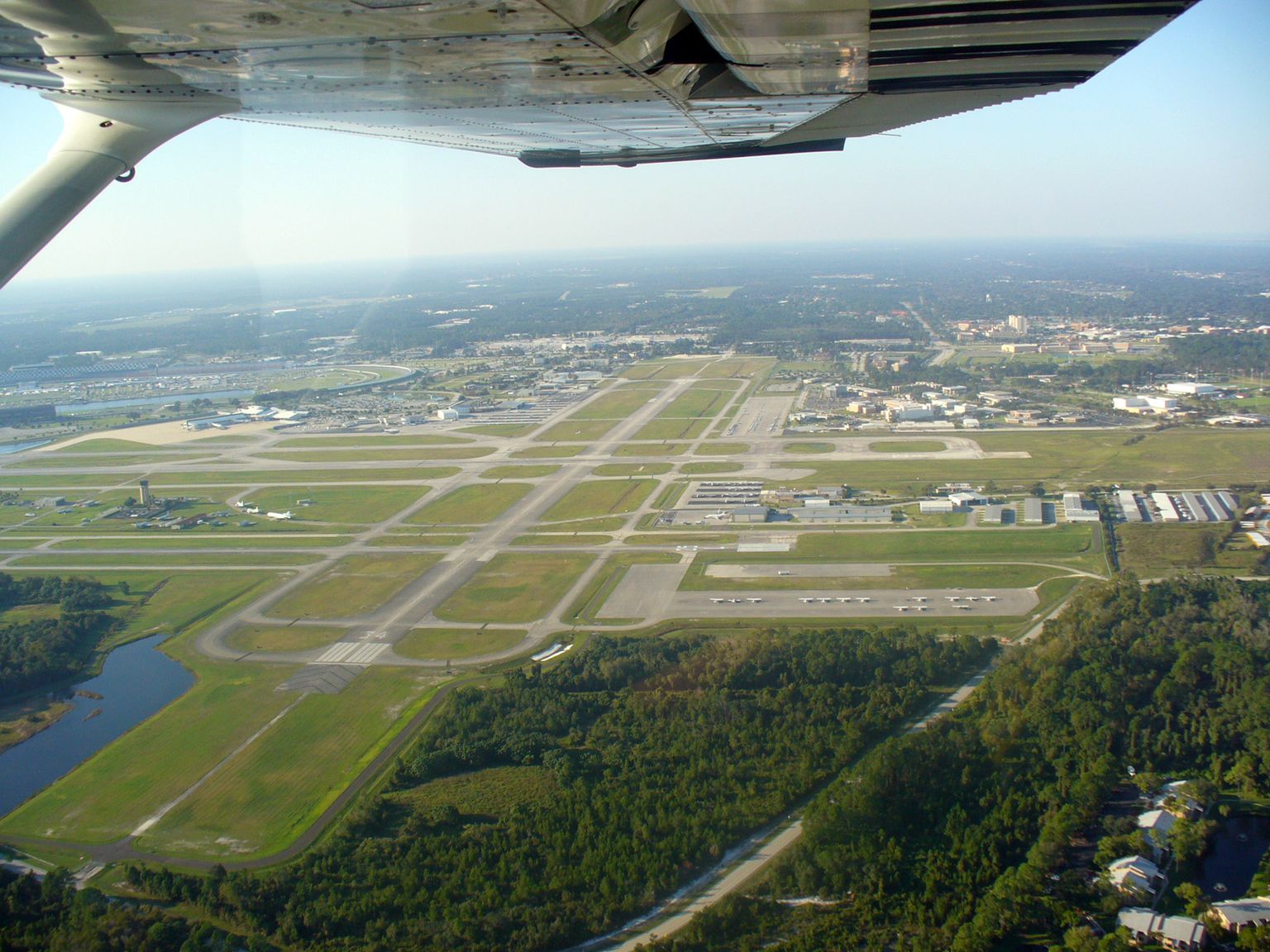
Unidentified drones breached restricted airspace at RAAF Base Williamtown — home to most of Australia's F-35A fighter fleet — on at least two occasions in July and August 2026. New South Wales Police confirmed this week that a second incursion happened in early August, and the drones' operators remain unidentified, with no arrests made.
The base sits 30 km (19 miles) north of Newcastle in New South Wales and shares its runway with the co-located Newcastle Airport, meaning the breaches affected both military and civilian air traffic in the area.
Background: A Military Base, Not Just an Airfield
RAAF Base Williamtown is Australia's premier fighter training facility. It hosts the bulk of the Royal Australian Air Force's F-35A Lightning II fleet, along with E-7A Wedgetail airborne early-warning aircraft and Hawk 127 and Pilatus PC-21 trainers. Restricted airspace around the base is enforced year-round, independent of whatever civilian rules apply to the shared Newcastle Airport runway.
Counter-UAS (counter-unmanned aircraft systems) refers to the detection, tracking, and — where authorized — disabling of drones considered a threat to protected sites like military bases, prisons, and major events. Australia updated its Defence Regulations in 2025 to let military personnel seize, disable, or destroy drones that threaten a base, a power that did not exist a few years ago.
Timeline: Two Breaches in One Month
The first confirmed incursion involved multiple unidentified uncrewed aircraft systems (UAS) operating in the vicinity of the base and Newcastle Airport between July 11 and 13, 2026. Defence acknowledged it was aware of the reports at the time, and Defence Industry Minister Pat Conroy was briefed on the activity.
New South Wales Police confirmed this week that a second, separate incursion occurred in early August, prompting a fresh police response. Neither incident has led to an arrest or a public identification of who was flying the drones, or why. Local reporting also noted that base personnel were instructed to close window blinds during at least one of the incursions, though Defence has not detailed what, if any, sensitive activity the drones may have observed.
"This is sadly something we're seeing more often, people operating drones near airports," Conroy told reporters, adding that "we have robust layered security measures to protect our personnel, our bases and our capabilities." He confirmed the reported details on drone numbers and dates were accurate but declined to disclose what the investigation has found so far, or whether flight operations were disrupted.
Investigation and Penalties
A NSW Police spokesperson said: "Police responded to assist RAAF Williamtown in relation to reports of unauthorised Uncrewed Aircraft System (UAS) activity. NSW Police is working with the Australian Defence Force and partner agencies in an attempt to identify the UAS and pilots." The force's Counter-UAS Unit is leading the investigation alongside the Australian Defence Force.
As of August 20, 2026, no public evidence has emerged linking the incursions to a foreign government or organized surveillance effort — Defence has confirmed only that the drones were unauthorized and their operators are still unknown.
Flying a drone over restricted military airspace in Australia carries real financial risk even without a criminal link:
| Penalty type | Maximum amount |
|---|---|
| CASA infringement notice (per offense) | AU $1,820 |
| Court-imposed penalty for serious breaches | AU $18,200 |
What This Means for Drone Pilots
Williamtown is not an isolated case. In the past month alone, a drone carrying an explosive device forced runway closures at Germany's Leipzig/Halle Airport, a separate drone intrusion repeatedly shut down Hanover Airport, and the FAA logged over 100 drone sightings near US airports in 2026 so far. Regulators worldwide are responding the same way Australia has: tighter restricted-airspace enforcement and expanded legal authority to detect and disable unauthorized aircraft near sensitive sites.
For pilots, the practical takeaway is simple — restricted zones around military bases are enforced strictly and the fines are real, whether you fly in Australia, the US, or Europe. Before any flight near an airfield or defense facility, check current no-fly zones and restricted airspace for your country; the tools listed there flag military and airport buffers automatically, which is exactly the kind of check that would keep a legitimate pilot from ending up in a Counter-UAS Unit's report.
FAQ
Sources: Newcastle Herald | Gloucester Advocate | AeroTime
More like this
Related Articles
FAA Awards $12M for BVLOS Drone Test Research (2026)
The FAA gave $12 million to 19 BVLOS drone research projects on October 5, 2026, as its Part 108 rule sits stalled in White House…
Germany Backs Ukraine With $9.6B Drone Interceptor Deal
Germany and Ukraine signed 15 defense deals worth over $9.6B on Oct. 4, funding mass production of jet-powered interceptor drones…

Wing, Walmart Drone Delivery Hits Denver, Seattle in 2027
Wing and Walmart will launch drone delivery in Denver and Seattle in 2027, expanding toward 270 Walmart stores and 40 million US c…