US Army Orders $50M More Kamikaze Drones From Ondas
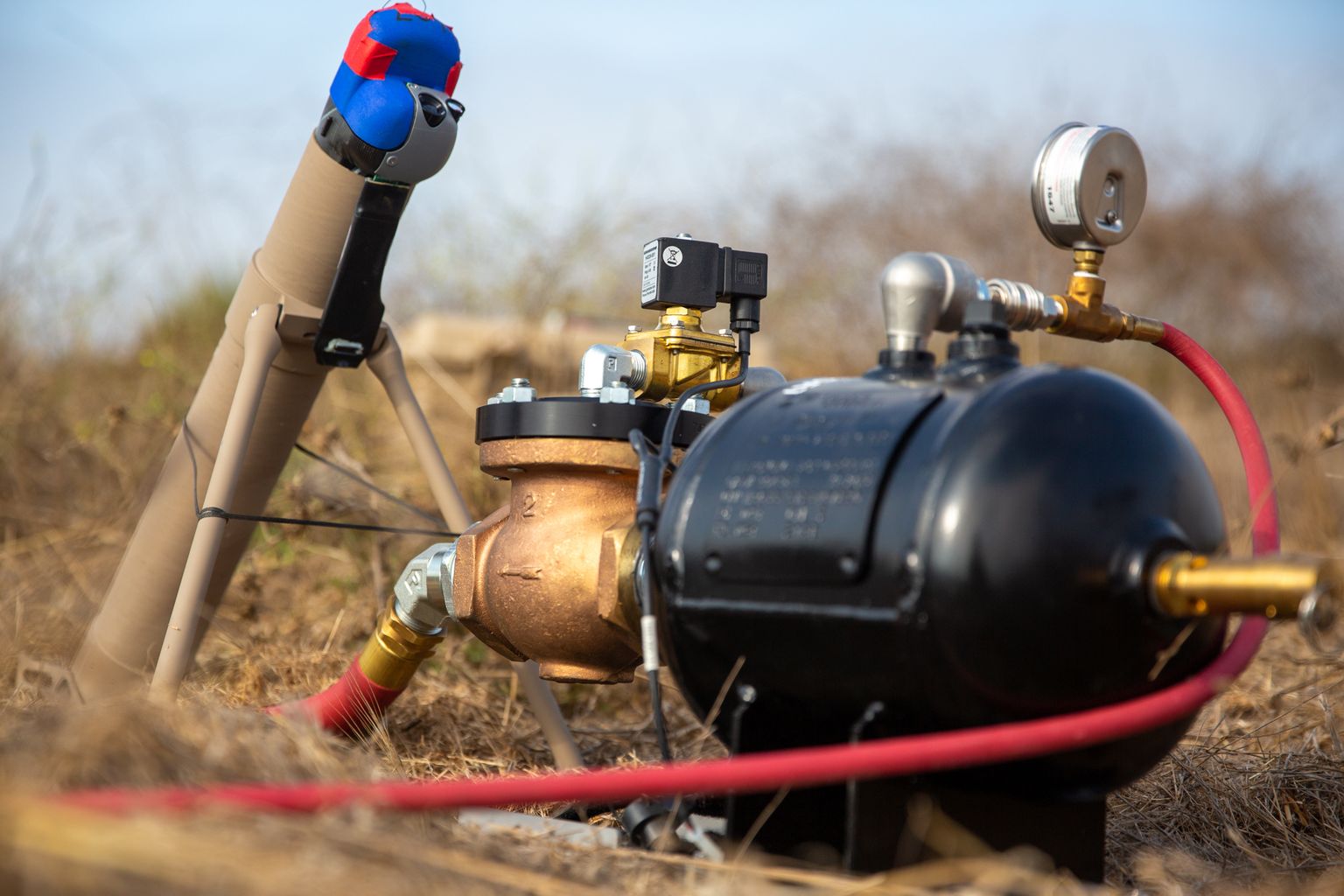
Ondas Inc.'s defense subsidiary Mistral Inc. won a new order worth more than $50 million from the U.S. Army on August 5, 2026, to build tactical Lethal Unmanned Systems — loitering-munition drones designed to loiter over a target area before striking it. The award pushes Mistral's cumulative contract value past $240 million under a $982 million multi-year Army contract, with the newly ordered systems due for delivery starting in the third quarter of 2026.
Background
Loitering munitions — sometimes called "kamikaze drones" — are small, expendable unmanned aircraft that combine a warhead with the surveillance and maneuverability of a drone. Unlike a traditional missile fired directly at a known target, a loitering munition can fly to a search area, hover or circle while an operator identifies a target, and then dive in to strike it. The category gained global attention after Russia's war in Ukraine, where cheap, mass-produced loitering munitions from both sides reshaped modern battlefields and pushed militaries worldwide to expand their own programs.
The U.S. Army's Lethal Unmanned Systems (LUS) program is one of the Pentagon's answers to that shift: a standing effort to buy loitering munitions at scale from multiple domestic suppliers rather than relying on a single legacy contractor. Mistral, a subsidiary of Nasdaq-listed Ondas Inc. (ONDS), is one of the companies building for it.
The $50 Million Order
The new order was issued under a previously awarded $982 million multi-year Indefinite Delivery, Indefinite Quantity (IDIQ) contract — a Pentagon contracting vehicle that sets a ceiling value and lets the Army place individual task orders against it over several years, rather than negotiating a new contract each time. Combined with an earlier $190.8 million order under the same IDIQ, Mistral's total LUS awards now exceed $240 million.
Production on the newly ordered systems is already underway, with the Army expecting deliveries to begin in the third quarter of 2026. According to Ondas' press release, the company's scope goes beyond manufacturing: Mistral is also providing intelligence gathering, mission planning, autonomous operations support, target identification, training, sustainment, and post-mission assessment across the program's lifecycle.
"This order moves Ondas deeper into the precision-strike market, where demand ... continues to accelerate," Ondas Chairman and CEO Eric Brock said in the announcement.
Ondas' Broader Defense Push
The Mistral order is part of a wider defense buildout at Ondas, which has expanded through acquisitions including drone maker DZYNE Technologies — bought for roughly $876 million — and aerospace component maker Rotron, according to DroneDJ's reporting on the order. Ondas is positioning the combined group to compete across the full loitering-munition supply chain, from airframes and propulsion to strike payloads, as U.S. and allied militaries look to diversify away from a handful of established drone-and-missile suppliers.
The order lands as global demand for relatively low-cost, autonomous strike drones keeps climbing, driven largely by lessons from recent conflicts showing how effective — and cheap, relative to traditional munitions — these systems can be at scale. Ondas is far from alone in chasing that demand: AeroVironment, Anduril, and a growing list of venture-backed startups have all landed similar Pentagon task orders in 2026 as the Department of War pushes to diversify its loitering-munition supply base beyond a handful of legacy prime contractors.
What This Means for Drone Pilots
This is a defense-industry contract, not a rule change, so it doesn't directly affect what recreational or commercial drone pilots can fly today. But it's a useful signal for anyone tracking where the broader drone industry — and its regulatory and manufacturing environment — is heading. Rising Pentagon spending on domestic loitering-munition suppliers is part of the same push behind restrictions on Chinese-made drone components and calls for a larger U.S. drone manufacturing base, both of which increasingly shape what hardware is available to civilian pilots and which companies dominate the commercial market.
Many of the underlying technologies — autonomous navigation, computer vision for target identification, swarm coordination — also flow both directions between military and civilian programs. The same AI-driven autonomy that lets a loitering munition search an area on its own shows up, in far less lethal form, in the obstacle avoidance and autonomous flight modes on consumer and enterprise drones. For context on how military and civilian drone technology intersect, see our guide to types of drones and how artificial intelligence is changing autonomous flight.
FAQ
Sources: Ondas Inc. press release | DroneDJ
More like this
Related Articles
Drone Pilot Guilty in CLT Runway Case: Up to 1 Year Jail
A Charlotte man faces up to a year in prison for flying a drone between two live runways at CLT — here's the federal law he broke…
Amazon Drone Noise Sparks Revolt Before 500-City Rollout
Texas residents describe Amazon delivery drones as a flying beehive as noise complaints mount ahead of its planned 500-city US exp…
Elroy Air Boosts Funding to $175M, Lockheed Backs It
Elroy Air raised its PIPE funding to $175 million on Sept. 24, 2026, with Lockheed Martin Ventures backing the Chaparral cargo dro…