Neros Raises $250M at $2.5B Value to Scale War Drones
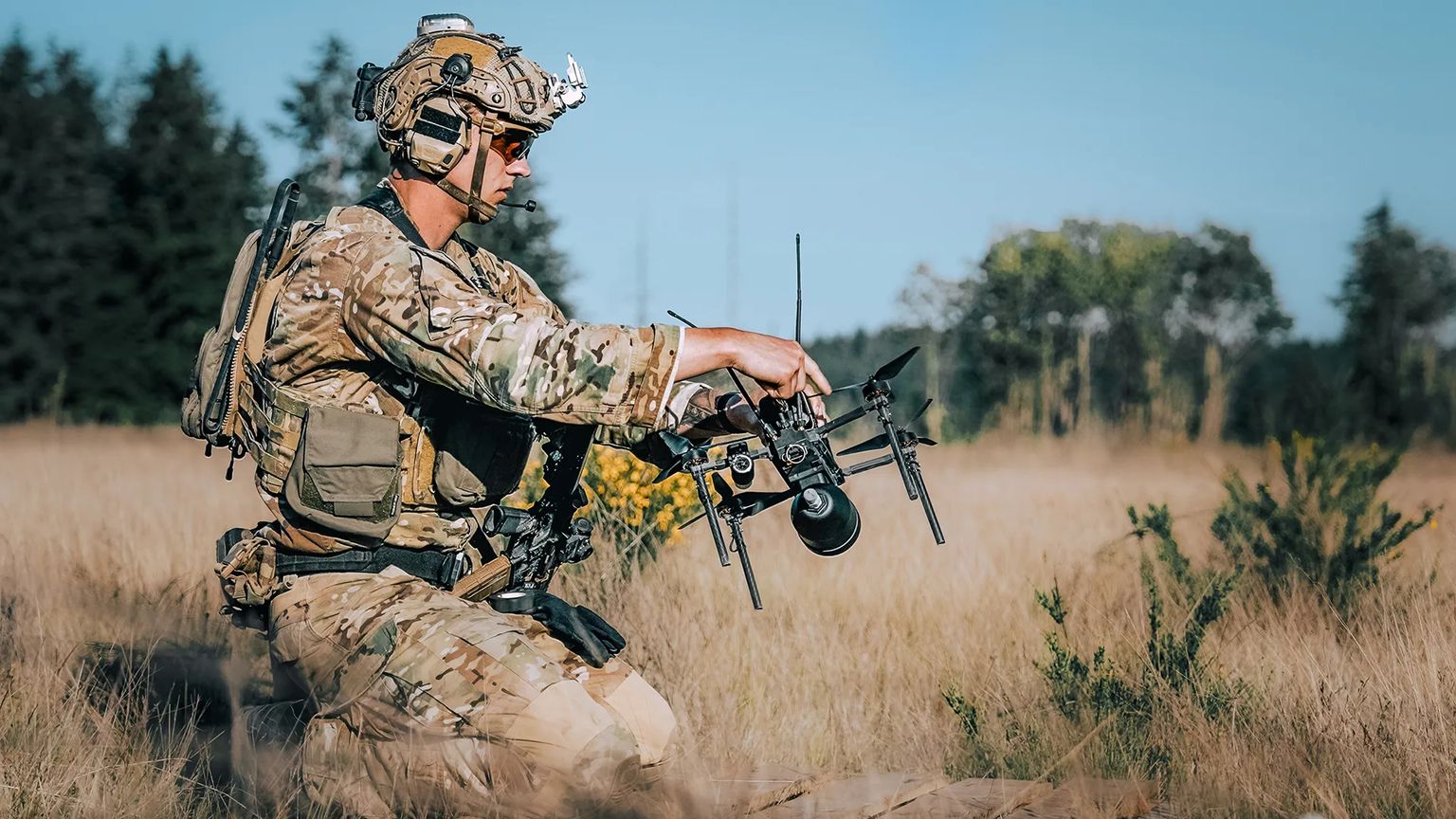
Neros Technologies raised $250 million in a Series C round announced August 11, 2026, tripling its valuation to $2.5 billion. Sequoia Capital and the American Strategic Technology Fund co-led the round, which will fund production of the startup's Archer FPV strike drone and a new counter-drone interceptor called Bandit for the U.S. military, Ukraine, and allied forces.
Background
Neros was founded in 2023 by Soren Monroe-Anderson and Olaf Hichwa, two former teenage FPV (first-person view) drone racers who pivoted from the hobbyist racing circuit to building low-cost, first-person-view (FPV) attack drones for military use. FPV drones are piloted through live video goggles rather than by watching the aircraft directly, the same immersive control scheme used in consumer FPV racing and freestyle flying.
The company built its reputation shipping tens of thousands of Archer drones to Ukraine under a multinational drone-coalition contract, positioning the aircraft as a Chinese-component-free alternative in a market still dominated by cheap, mass-produced FPV kits. That combat track record helped Neros win a U.S. Army indefinite-delivery contract worth up to $500 million, plus deals with the Marine Corps, every component of U.S. Special Operations Command (SOCOM), and roughly half a dozen allied nations. The company closed a $75 million Series B led by Sequoia Capital less than a year earlier, in November 2025.
The Series C: Investors and Terms
The new round was co-led by Sequoia Capital and the American Strategic Technology Fund (ASTF), with participation from Interlagos, Valor Equity Partners, Allen & Company, Thiel Capital, Spark Capital, and individual investor Dylan Field. The $2.5 billion post-money valuation is roughly triple where Neros stood after its Series B, reflecting what CEO Soren Monroe-Anderson described as explosive core-business growth since that November financing.
Neros says the capital accelerates its shift from a single-product FPV maker into what Monroe-Anderson called "a multi-capability drone manufacturer." The company's stated goal is to reach production of one million drones per year by 2028, part of a broader push to build a domestic U.S. drone industrial base that doesn't depend on foreign, and particularly Chinese, components.
What Is the Bandit Interceptor Drone?
Bandit is Neros' new counter-UAS (uncrewed aircraft system) interceptor, designed to physically down Class 2 and Class 3 drone threats — the Department of Defense weight tiers that cover small tactical UAVs up through larger loitering munitions like Iran's Shahed-136. Alongside Bandit, the funding also backs Archer AI, an upgraded version of Neros' original strike drone that adds Terminal Guidance and GPS-denied Position Hold, letting the aircraft lock onto a target and continue flying accurately when GPS signal is jammed or unavailable. Both platforms are built for multi-asset control, meaning one operator can supervise several drones in the air at once, and both are targeted for deployment before the end of 2026.
The Bandit program answers a problem that has grown alongside cheap FPV warfare itself: swarms of inexpensive attack drones are hard to stop with expensive missile-based air defense, so militaries increasingly want a cheaper drone-versus-drone answer. Building an interceptor in-house also lets Neros sell both sides of the same fight — the strike drone and the system meant to shoot it down — to the same government customers.
What This Means for Drone Pilots
This is a defense-funding story, not a civilian airspace or Part 107 rules story, so nothing changes today for hobbyist or commercial FPV pilots in the U.S. or elsewhere. But the round is a strong signal for where investment in FPV and small-drone technology is heading: away from imported, off-the-shelf components and toward vertically integrated domestic manufacturers who design their own FPV flight controllers, radios, and autonomy software.
Pilots who fly FPV recreationally or professionally will likely see downstream effects over the next few years, the same way GPS-denied navigation and obstacle-avoidance software have historically migrated from military and racing platforms into consumer types of drones. Terminal Guidance and jam-resistant Position Hold, in particular, are exactly the kind of autonomy features that tend to reappear later in commercial inspection and delivery aircraft once the underlying chips and software mature and get cheaper.
FAQ
Sources: Neros (PR Newswire) | Bloomberg
More like this
Related Articles
Drone Pilot Guilty in CLT Runway Case: Up to 1 Year Jail
A Charlotte man faces up to a year in prison for flying a drone between two live runways at CLT — here's the federal law he broke…
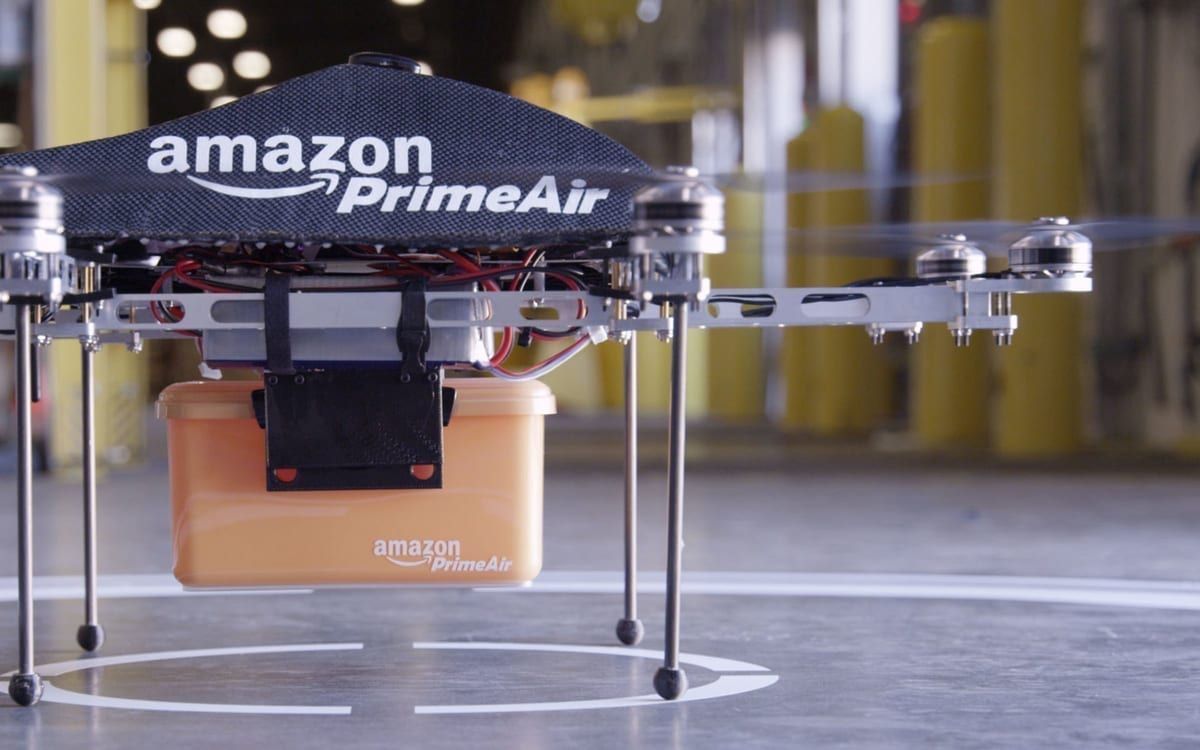
Amazon Drone Noise Sparks Revolt Before 500-City Rollout
Texas residents describe Amazon delivery drones as a flying beehive as noise complaints mount ahead of its planned 500-city US exp…
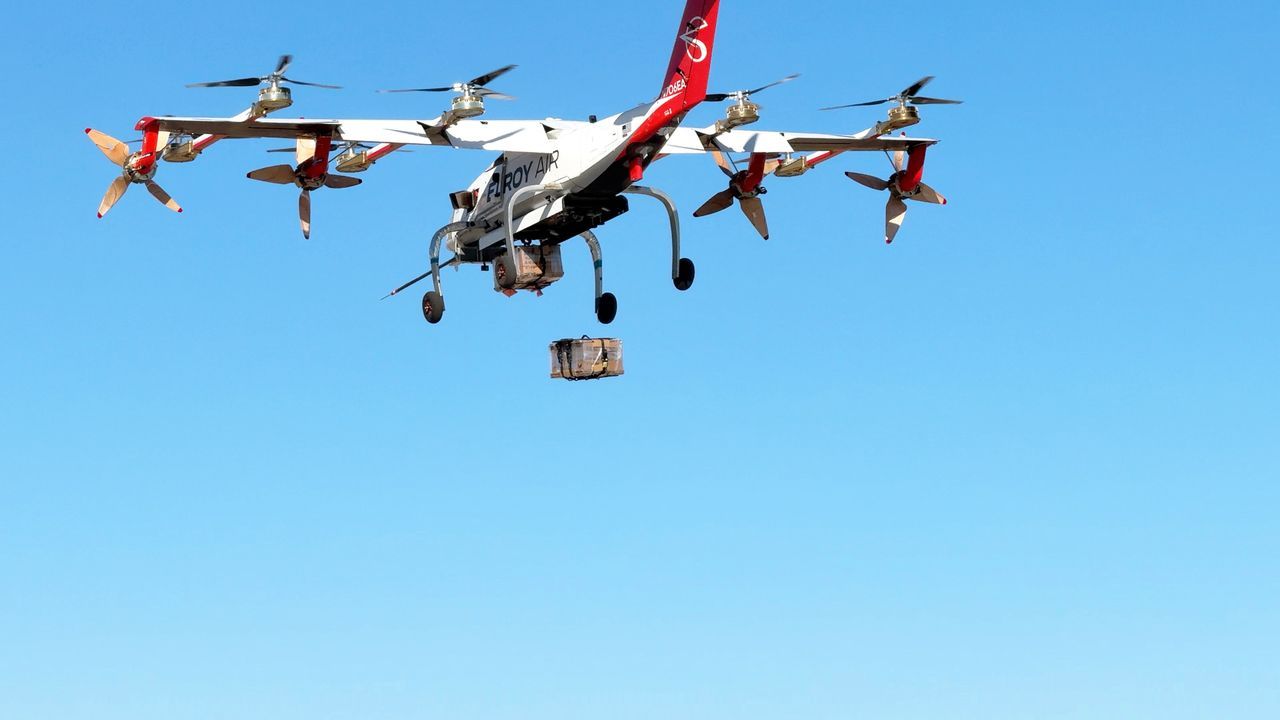
Elroy Air Boosts Funding to $175M, Lockheed Backs It
Elroy Air raised its PIPE funding to $175 million on Sept. 24, 2026, with Lockheed Martin Ventures backing the Chaparral cargo dro…