Drones Shut Luxembourg Airport, 19 Flights Diverted
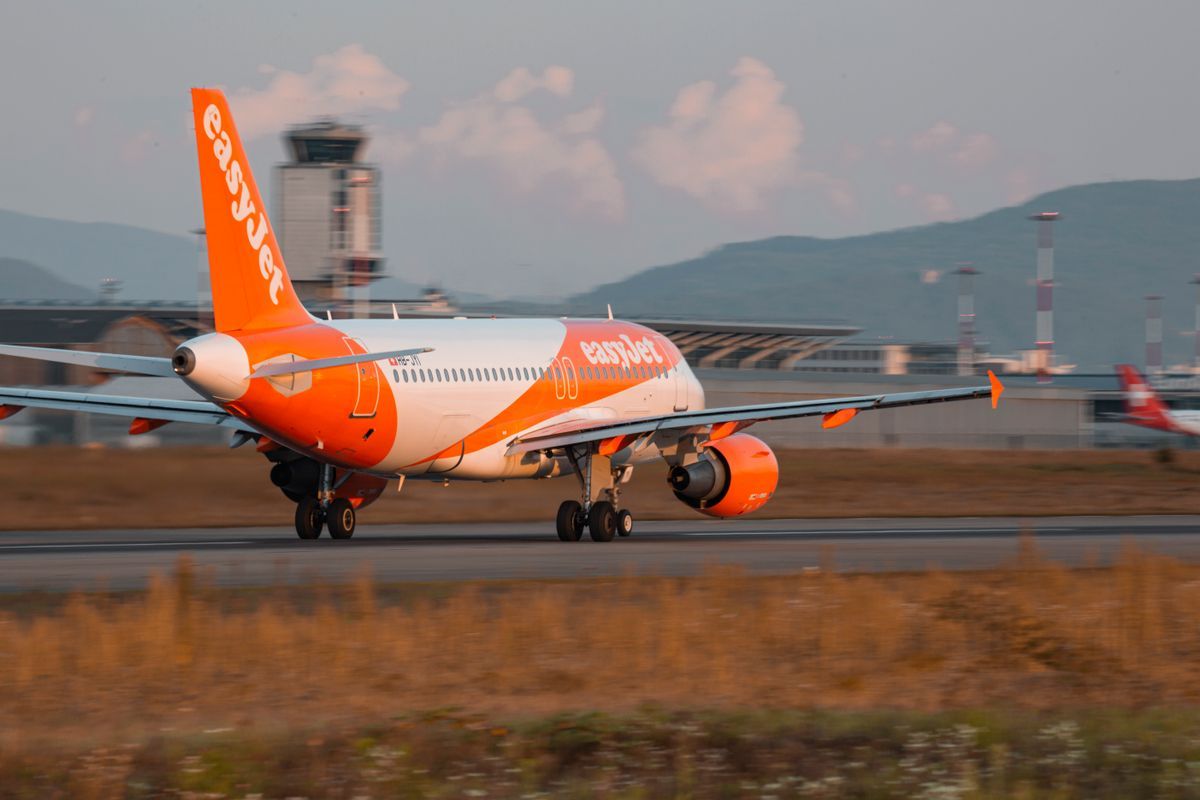
Unidentified drones shut down Luxembourg Airport (ELLX) for more than four hours on the night of Friday, September 18, 2026, forcing air traffic control to suspend all arrivals and departures and diverting 19 incoming flights to airports in neighboring countries. Operations resumed around 1:20 a.m. local time on September 19 after two safety inspections found no risk to aircraft, but no drone operator has been identified and the investigation remains open.
Background
Luxembourg Airport is a small but busy European hub, home to national carrier Luxair and cargo giant Cargolux, and it sits inside some of the continent's most closely watched airspace given the country's role as an EU institutional seat. The closure adds Luxembourg to a growing list of European airports disrupted by unauthorized drone activity since late 2025, including Copenhagen, Oslo, Munich, Brussels, and Liège. In most of these cases, airports could detect the drones on radar or by visual sighting but had no immediate, lawful way to intercept or bring them down, leaving a ground stop as the only safe option.
What Happened at Luxembourg Airport
According to airport operator lux-Airport, unidentified unmanned aircraft were "first detected near the airport and later over the airfield," prompting controllers to suspend all flight operations around 9 p.m. on September 18. At least one inbound flight from London was diverted to Liège, Belgium, while a broader set of 19 incoming flights were rerouted during the closure, according to DRONELIFE. Airport authorities said they had "no details on where the drones may have come from or who was operating them," and cautioned that residual delays could continue as the schedule was restored.
Two separate inspections of the airfield turned up no immediate risk to aviation safety, clearing the way for flights to resume in the early hours of September 19. Investigators have not linked the incident to any government or state actor, and commentators have specifically warned against folding Luxembourg into the same bucket as recent drone incidents blamed on Russia near Leipzig, Germany, and over Lithuania — those cases involved different evidence and separate investigations.
Luxembourg's Government Response
The scale of the response set this incident apart from similar sightings elsewhere. Prime Minister Luc Frieden activated an interministerial drone-assessment group, coordinating Luxembourg's Defense, Mobility, and Interior ministries directly rather than leaving the response to airport security alone. On September 20, the government deployed additional drone-detection equipment, including hardware borrowed from foreign partners, to strengthen surveillance of the airspace around Findel going forward.
That kind of rapid, cabinet-level mobilization reflects how seriously European governments now treat unexplained drone incursions near critical infrastructure, even absent confirmed hostile intent. It also underscores a gap most airports still share: detection technology has outpaced the legal authority and hardware needed to actually stop an unauthorized drone once it's spotted.
What This Means for Drone Pilots
Luxembourg Airport sits inside controlled airspace where recreational and commercial drone flights require prior authorization under EASA's common European rules — flying there without clearance is illegal regardless of the drone's size or the pilot's intent. Our EASA drone categories guide explains the Open, Specific, and Certified categories that determine what authorization a flight near controlled airspace like Findel actually needs.
For pilots anywhere in Europe or beyond, incidents like this are a reminder that airports treat every unidentified drone report as a potential safety emergency, not a nuisance, and that a ground stop can ripple into thousands of delayed passengers within minutes. Our drone no-fly zones guide covers how to check active restrictions before takeoff and why claiming ignorance of a no-fly zone offers no legal protection once a flight has triggered an airport shutdown.
FAQ
More like this
Related Articles

Pentagon Drone Gauntlet II Results: Neros Tops Both Boards
Neros topped both Pentagon Drone Gauntlet II boards on September 19, 2026, as UK rival Skycutter fell to fourth in the Pentagon's…
EASA Proposes Cutting Drone Registration to 100g in 2026
EASA's new Opinion 06/2026 would drop the EU drone registration and Remote ID threshold from 250g to 100g, matching the UK. Here's…
Flytrex Drones Now Predict Your Order Before You Do
Flytrex's rooftop drone docks and AI positioning system now predict food orders before they're placed, cutting delivery costs 60%…