EASA Proposes Cutting Drone Registration to 100g in 2026
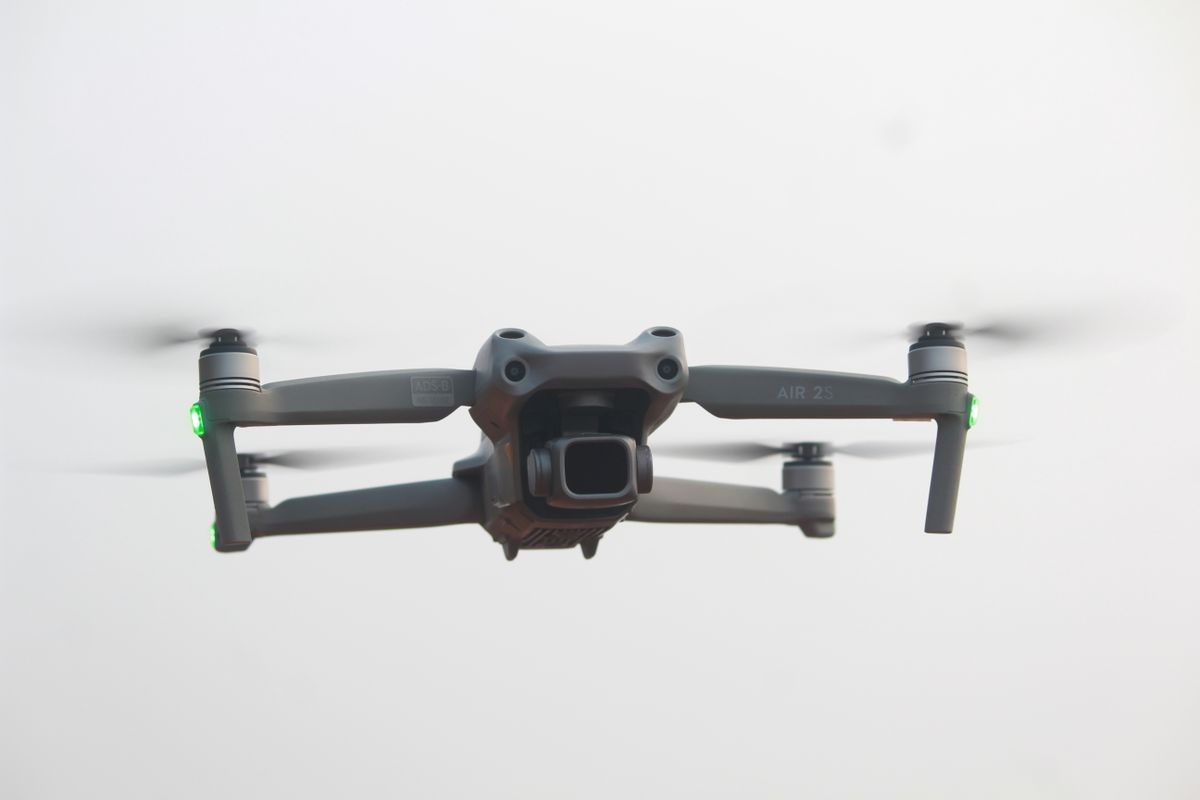
The European Union Aviation Safety Agency published Opinion No 06/2026 on September 18, 2026, proposing to lower the mandatory registration and Direct Remote ID threshold for drones in the EU from 250 grams to 100 grams. The opinion also requires member states to verify a UAS operator's identity before completing registration, closing a gap regulators found during safety inspections across the bloc.
The change would affect a large share of the sub-250g consumer drones currently flying unregistered across the EU's 27 member states, plus Iceland, Liechtenstein, and Norway, since it applies inside the low-risk Open category that covers roughly 90% of EU drone flights.
Background
Direct Remote ID is a signal a drone broadcasts in flight, similar to a digital license plate, that lets authorities and other airspace users identify the aircraft and its operator without a physical inspection. Since January 2024, EU rules have required registration and Remote ID only for drones weighing 250 grams or more, or for any lighter drone fitted with a camera or sensor capable of capturing personal data.
EASA says Opinion No 06/2026 responds directly to the European Commission's Action Plan on Drone and Counter-Drone Security, published February 11, 2026, which called for tighter traceability of unmanned aircraft after a string of unauthorized drone incursions near European airports and military sites in 2025 and early 2026. The opinion states that "protection against the illegal, negligent or malicious use of UAS needs to be strengthened," and frames the lower threshold and identity checks as the two changes that do the most to close that gap.
What Opinion 06/2026 Actually Proposes
The opinion amends two existing regulations, Implementing Regulation (EU) 2019/947, which governs UAS operations, and Delegated Regulation (EU) 2019/945, which covers UAS design and airworthiness. Three changes matter most for pilots:
| Change | Today | Under Opinion 06/2026 |
|---|---|---|
| Registration & Remote ID threshold | 250 g (or any weight with a data-capturing camera) | 100 g |
| Operator identity check | Self-reported at registration | Verified by the member state before registration completes |
| Geographical zones | Rules vary by member state, information often hard to find | Clearer national-conditions framework for consistent, accessible zone data |
The opinion also carves out an alleviation for drones flown strictly within recognized model aircraft clubs and associations, which would not need to meet the lower threshold under club supervision.
A 60% cut in the mass trigger, from 250g down to 100g, pulls in most palm-sized consumer drones that today fly with no registration or broadcast ID at all. EASA frames the identity-verification requirement as equally important: current rules only ask operators to submit their details, with no check that the information is genuine, which the agency says has left an enforcement gap that showed up in standardisation inspections.
The EU Would Be Following the UK's Lead
The EU is not the first European aviation authority to try this. The UK Civil Aviation Authority already lowered its own registration threshold from 250g to 100g on January 1, 2026, requiring a Flyer ID for any pilot flying a drone that heavy or heavier, and an Operator ID for camera drones at the same weight. The UK left the EASA system after Brexit and sets its rules independently, but its 100g cutoff is now the closest real-world preview of what EASA is proposing for the remaining 30 European states still under the EU framework, including Germany.
That parallel matters for manufacturers too: DJI's Mini series and most sub-250g "prosumer" drones from Autel and other brands were designed to stay under the old 250g registration-free line. A 100g threshold removes that design workaround entirely, since almost no capable camera drone on the market weighs under 100 grams.
What This Means for Drone Pilots
Nothing changes yet. Opinion No 06/2026 is EASA's technical recommendation to the European Commission, not a binding rule. The Commission now decides whether, and how, to fold these changes into an amended implementing act, a process that has historically taken well over a year from opinion to applicable law in past EASA drone rulemakings.
Pilots who fly a sub-250g drone in the EU without registering it today should plan to register regardless of the final threshold, since the direction of travel, matching the UK's already-adopted 100g line, is clear. Anyone buying a new lightweight drone should also expect stricter identity checks at registration going forward, meaning a scanned ID or equivalent verification step is likely to become standard across EU member states, not just a formality. Operators flying across multiple EU countries should watch for the promised clearer geographical-zone information, since inconsistent zone data between member states has been a recurring complaint for cross-border commercial operations.
FAQ
Sources: EASA Opinion No 06/2026 | Unmanned Airspace
More like this
Related Articles
Flytrex Drones Now Predict Your Order Before You Do
Flytrex's rooftop drone docks and AI positioning system now predict food orders before they're placed, cutting delivery costs 60%…
Drone Halts Flights at Reagan National for 20 Minutes
An unauthorized drone forced a 20-minute halt of all Reagan National Airport flights on Sept. 16, 2026 — here's what happened and…
Vantis BVLOS Network Tests Medical Drone Delivery
CVS and Thales flew live BVLOS drone demos on Vantis, North Dakota's statewide network, testing medical delivery and crop-spraying…