FAA Noise Test Ranks Amazon's Delivery Drone Loudest
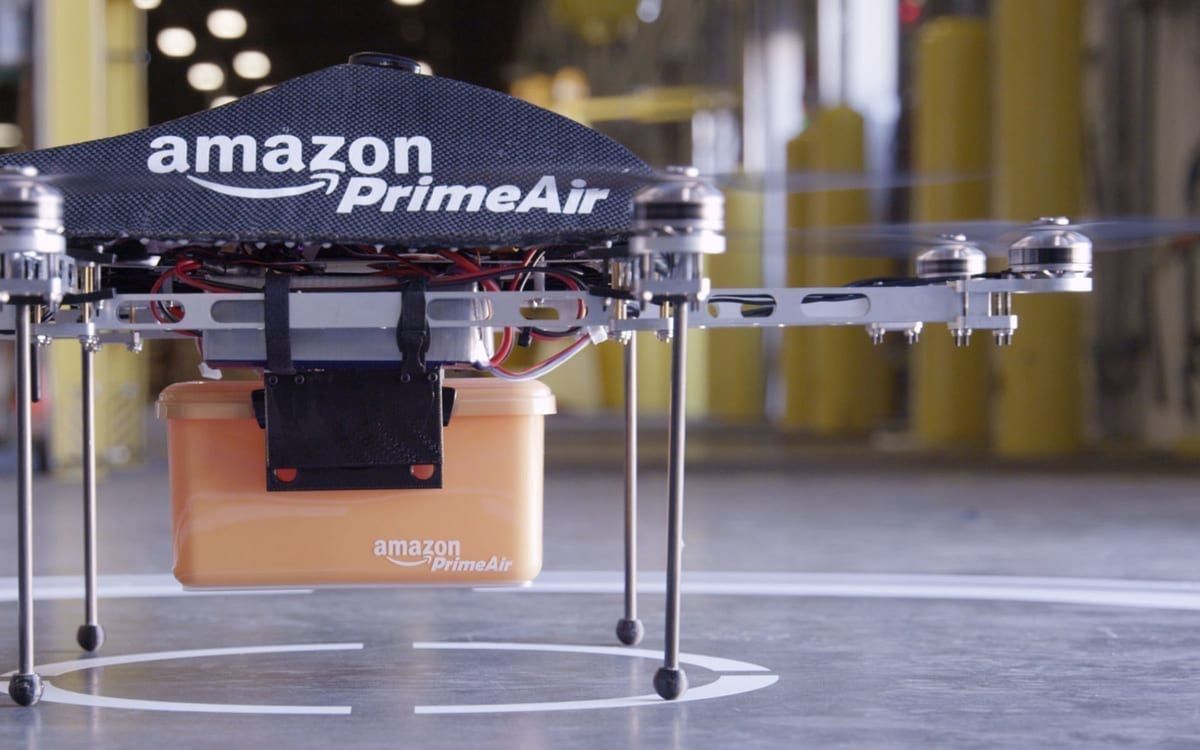
FAA noise testing measured from 50 feet found Amazon's Prime Air MK30 delivery drone produces roughly 88 decibels during a delivery, compared with 84 decibels for Alphabet's Wing and 79 decibels for Zipline, according to Axios on August 26, 2026. The gap traces back to three very different aircraft designs now competing to make last-mile drone delivery a routine part of US suburban life.
Background
Drone delivery has moved from isolated pilot programs to genuine scale in 2026. Amazon is expanding Prime Air toward nearly 500 US cities by the end of the year, Wing has passed 1 million commercial deliveries across roughly 20 US markets, and Zipline has logged more than 2.5 million deliveries spanning four continents. All three operate under FAA BVLOS (Beyond Visual Line of Sight) authorizations, flying scheduled routes without a pilot keeping visual contact with the aircraft — the regulatory step that turns drone delivery from a demonstration into a repeatable business.
As the fleets scale from dozens of daily flights to thousands, the sound each drone makes overhead has become the next friction point. Noise complaints have already surfaced in some of Amazon's test markets in Texas, where residents describe drones passing at 100 feet or lower over backyards and pools throughout the day. With the FAA's Part 108 rule for routine BVLOS operations still under review by the Office of Information and Regulatory Affairs, how loud these fleets are — and how communities respond — could shape how fast regulators let the industry expand further.
How Loud Is Each Delivery Drone?
The FAA's own testing, cited by Axios, put clear daylight between the three companies' aircraft when measured from 50 feet during a delivery pass:
| Company | Drone | Noise at 50 ft | Design approach |
|---|---|---|---|
| Zipline | P2 (Platform 2) | ~79 dB | Fixed-wing cruiser, hovers high and lowers a small tethered droid |
| Wing | Wing delivery drone | ~84 dB | Lightweight quadcopter-hybrid, optimized for frequent short hops |
| Amazon | Prime Air MK30 | ~88 dB | Larger, heavier hexacopter with more onboard sensing and redundancy |
For reference, 79 decibels is comparable to a running dishwasher or a busy street from indoors; 88 decibels is closer to a garbage disposal or heavy city traffic. Because the decibel scale is logarithmic, the 9 dB gap between Zipline and Amazon represents roughly double the perceived loudness, not a marginal difference.
Different Engineering, Different Noise Profiles
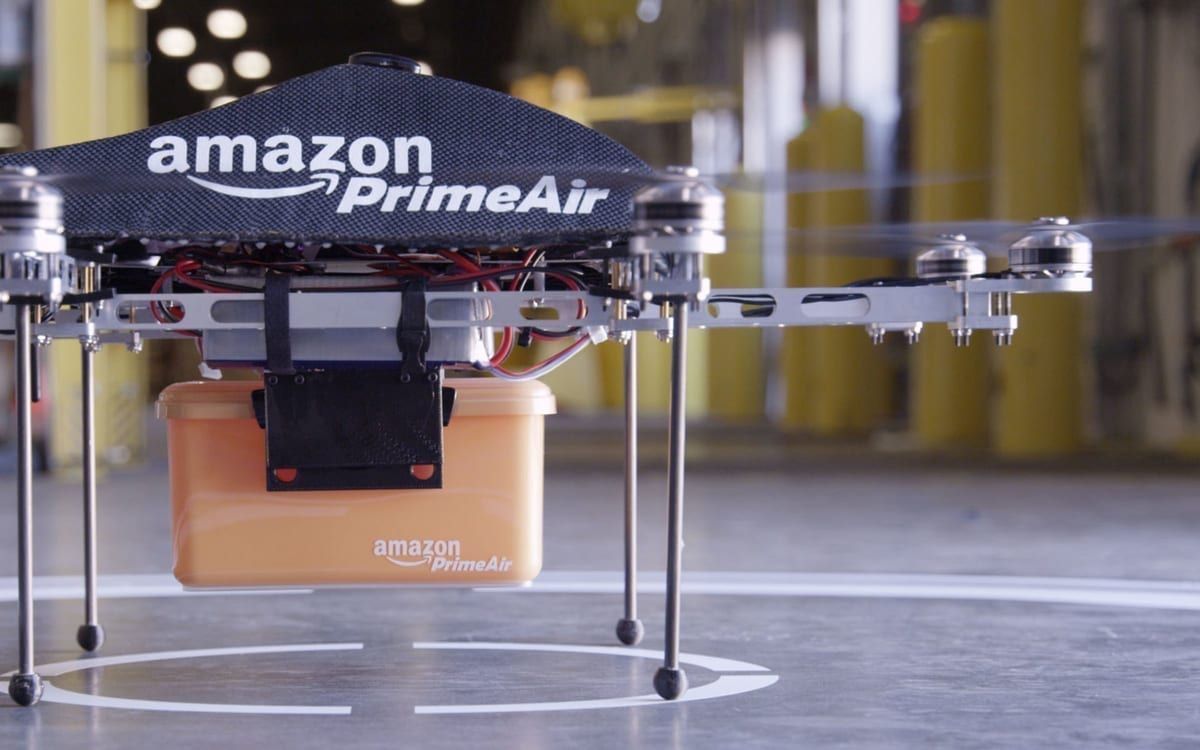
The noise gap isn't incidental — it flows directly from how each company chose to solve delivery. Wing's aircraft is built light and efficient for frequent, short deliveries, trading cargo capacity for a smaller, quieter footprint. Zipline's P2 cruises at altitude on fixed wings and only hovers briefly to lower a package on a tethered, self-steering droid, so the noisiest part of the flight happens far from the ground. Amazon's MK30, at roughly 78 pounds with a 5.5-foot wingspan and a 5-pound payload capacity, carries more weight, more redundant motors, and more onboard sensing for its "gentle delivery" tether system — all of which add mechanical noise during the hover-and-lower phase.
Zipline's engineering team has said the P2's high-altitude cruise and lightweight lowering mechanism make its ground-level fan noise "negligible" during descent, a claim the FAA's 79 dB figure roughly supports relative to its rivals. Amazon has not disputed the FAA figures but has said its "gentle delivery" tether option, which lowers packages from a hover rather than descending fully, is designed partly to reduce the drone's time close to the ground.
What This Means for Drone Pilots
For commercial operators and manufacturers, the FAA's noise data signals that acoustic performance is becoming a competitive and regulatory variable, not just an engineering afterthought. As Amazon, Wing, and Zipline all push into new metro areas in the second half of 2026, expect noise limits, quiet hours, or altitude restrictions to appear in local ordinances and future FAA rulemaking alongside the safety and airspace rules that have dominated BVLOS policy so far. Operators building or piloting delivery drones should treat noise output as a design and siting constraint now, before it becomes a hard regulatory ceiling.
The pattern also matters outside the US: EASA, the UK CAA, and CASA are watching how American cities respond to drone delivery at scale, including the noise pushback, as they finalize their own BVLOS and urban-operations frameworks. A rocky public reception in US suburbs could slow the pace of approvals elsewhere just as much as a technical failure would.
FAQ
Sources: Axios | Scientific American
More like this
Related Articles

FAA Order 7200.23E: Tower Drones Fly Above LAANC Grids
FAA Order 7200.23E lets Part 107 pilots inspect towers above LAANC grid altitudes without a tower call. Here are the new limits an…
FAA Part 107 Test Adds Chart Questions Oct. 26 (2026)
The FAA Part 107 knowledge test adds image-based chart questions on October 26, 2026, and they are not in the supplement. Here is…
Amazon Prime Air Eyes Australia, Posts CASA Approvals Job
Amazon Prime Air is hiring a Head of Regulatory Approvals in Australia to win CASA sign-off for its MK30 drone. Here's what the jo…