Drone Pilot Career: Salary, Jobs & Licensing in 2026
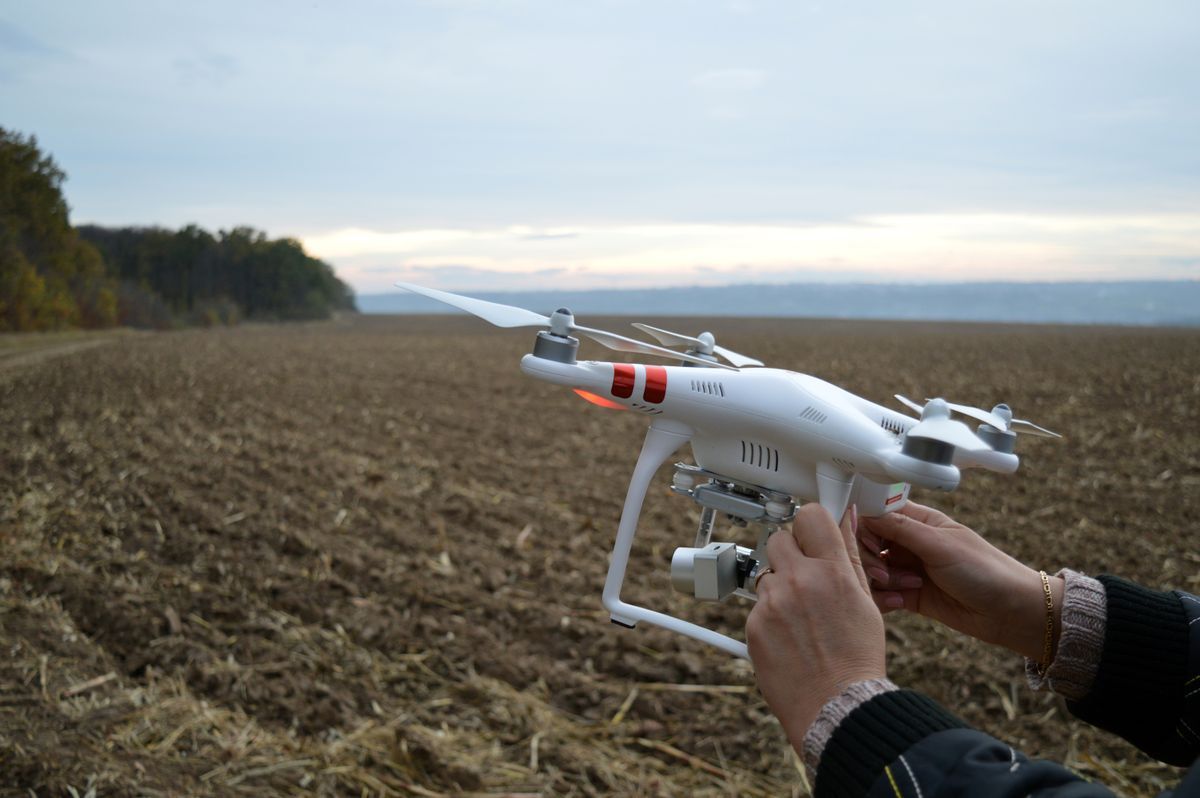
The drone industry stopped being a hobbyist niche a while ago. The FAA counted more than 493,000 certificated Remote Pilots in the US as of December 2025 and projects the number will pass 628,000 by 2030, and similar growth is happening under the UK CAA, EASA, and CASA. But "drone pilot" covers wildly different jobs: a real estate photographer with a $500 drone and a pipeline inspector running a $50,000 enterprise platform both hold the title, and their paychecks look nothing alike.
This guide breaks down what drone pilots actually earn in 2026, which industries are hiring, what it costs to get licensed and equipped, and where the real job openings are, in the US primarily, with UK, EU, and Australian context where it differs.
How Much Do Drone Pilots Make in 2026?
US commercial drone pilots earn between $47,000 and $137,000 a year in 2026, with the national median sitting around $79,000. Entry-level generalists (real estate, small inspections) start at $40,000-$60,000; specialists in energy inspection, mapping, or BVLOS operations with security clearances or engineering credentials push past $100,000.
The spread is wide because "drone pilot" salary data mixes very different jobs. A pilot flying weekend real estate listings on the side reports different numbers than a full-time LiDAR operator on a utility contract, even though both hold a Part 107 certificate.
Typical US salary ranges by sector (2026):
| Sector | Entry-level | Experienced/specialist |
|---|---|---|
| Real estate & media | $35,000-$50,000 | $50,000-$75,000 |
| Construction & mapping | $45,000-$65,000 | $65,000-$95,000 |
| Energy & infrastructure inspection | $50,000-$75,000 | $75,000-$130,000+ |
| Agriculture (spraying/monitoring) | $45,000-$65,000 | $65,000-$100,000 |
| Public safety (police/fire, salaried) | $40,000-$60,000 | $60,000-$90,000 |
| Defense/aerospace/LiDAR (cleared) | $70,000-$100,000 | $100,000-$150,000+ |
Freelance day rates run separately from salaried ranges: a single real estate shoot typically pays $150-$400, an industrial inspection day $500-$1,500, and specialized survey or thermal work $800-$2,500 per day depending on equipment and turnaround requirements.
Which Industries Are Hiring Drone Pilots?
Infrastructure inspection, agriculture, and construction/mapping are the three industries driving the most drone pilot hiring in the US in 2026, followed by real estate, public safety, and an emerging delivery/BVLOS segment still waiting on final federal rules.
Infrastructure and energy inspection Utilities, telecoms, and pipeline operators use drones to inspect power lines, cell towers, wind turbines, and pipelines on recurring schedules. This is the highest-paying generalist track because it requires repeatable, auditable data and often thermal or LiDAR sensors, not just video.
Agriculture Crop monitoring, irrigation mapping, and drone spraying (governed by a separate FAA Part 137 agricultural aircraft operation certificate on top of Part 107) are growing fast as row-crop farms scale up precision-ag programs. Multispectral sensor experience is a strong differentiator here.
Construction and mapping/surveying Photogrammetry and LiDAR-based site progress tracking, volumetric measurement, and as-built surveys are now standard on large construction projects. This track rewards pilots who also know GIS/CAD software, not just flying.
Real estate and media The lowest barrier to entry and the most competitive segment: any Part 107 holder with a mid-range drone can shoot listings, but day rates are correspondingly the lowest and the market is saturated with part-timers.
Public safety Police, fire, and search-and-rescue programs (Drone as First Responder units) are expanding, but these roles are mostly filled through public-sector hiring rather than freelance contracts, and often require the pilot to already be sworn personnel.
Delivery and BVLOS (emerging) Companies like Zipline, Wing, and Amazon Prime Air already run Beyond Visual Line of Sight delivery routes under individual FAA waivers. The FAA's proposed Part 108 rule, which would create a standard BVLOS certification path instead of one-off waivers, was expected to finalize in spring 2026 but remained under White House regulatory review (OIRA) as of September 2026. Once finalized, BVLOS operator and remote-pilot-in-command roles are expected to be the fastest-growing, highest-paying segment of the industry.
Do You Need a License to Get Paid to Fly?
Yes. Anyone flying a drone for compensation in US airspace, real estate photos, inspections, mapping, or any paid work, must hold an FAA Part 107 Remote Pilot Certificate. Flying commercially without it is a federal violation with fines that can run into the thousands of dollars per incident.
Getting certified requires passing a 60-question knowledge exam (a 72% passing score) at an FAA-approved PSI testing center, plus a TSA background check. There's no flight test and no minimum flight hours, which makes Part 107 one of the more accessible professional credentials in aviation.
What it costs:
| Item | Cost (USD) |
|---|---|
| Knowledge exam (PSI testing center) | $175 |
| FAA certificate/application | $0 |
| Study materials (optional, online course) | $0-$300 |
| Recurrent training (every 24 calendar months) | Free (FAA online module) |
Full walkthrough of eligibility, the exam itself, and renewal: see our FAA Part 107 license guide. Outside the US, the equivalent credentials are the UK CAA's Flyer ID/Operator ID plus a GVC for commercial work, EASA's Open/Specific category authorizations in the EU, and CASA's RePL/ReOC in Australia, covered in our UK, EASA, and Australia regulation guides.
Freelance vs. Full-Time: Which Pays More?
Full-time salaried roles pay less per hour but come with steady income, employer-provided equipment, and benefits; freelance work pays more per job but requires the pilot to cover equipment, insurance, and slow periods between contracts.
| Freelance/independent | Full-time employee | |
|---|---|---|
| Typical pay structure | Per-project or day rate | Annual salary + benefits |
| Equipment | Pilot's own investment | Usually employer-provided |
| Income stability | Variable, seasonal in some sectors | Predictable |
| Insurance | Pilot must carry own liability policy | Usually covered by employer |
| Best for | Experienced pilots with a client network | Pilots starting out or wanting stability |
A realistic path many pilots follow: work as an employee or subcontractor for an established operator for 6-12 months to build flight hours and sector experience without personally carrying equipment and insurance costs, then go independent once a client base exists. Our drone insurance guide covers what liability coverage costs and why skipping it is a bad idea even for occasional freelance work.
What Does It Cost to Start a Drone Career?
Startup costs range from under $2,000 for real estate/media work to well over $50,000 for enterprise inspection or agricultural spraying platforms, plus licensing and insurance.
| Track | Entry equipment | Estimated investment (USD) |
|---|---|---|
| Real estate & media | DJI Mini 4 Pro or Air 3S | $1,000-$2,500 |
| Mapping & surveying | RTK-enabled drone (e.g., DJI Mavic 3E) | $5,000-$15,000 |
| Infrastructure inspection | Enterprise thermal/zoom platform (e.g., DJI Matrice 4T) | $15,000-$35,000+ |
| Agricultural spraying | Ag spray drone (e.g., DJI Agras T50) + Part 137 certificate | $30,000-$50,000+ |
Add the $175 Part 107 exam fee, liability insurance (typically $500-$1,500/year for a basic policy), and, for agricultural or BVLOS work, additional certificates or waivers on top of the base license.
Where to Find Drone Pilot Jobs
The most reliable channels are specialized drone service marketplaces, general job boards with the right search terms, and direct outreach to companies in your target sector.
- Specialized marketplaces: Zeitview (formerly DroneBase) and FlyGuys connect certified pilots with enterprise clients needing aerial data capture on a per-project basis, no long-term contract required.
- General job boards: LinkedIn and Indeed list salaried roles, search "UAS pilot," "drone operator," or "remote pilot in command" rather than just "drone pilot" to surface more listings.
- Freelance platforms: Upwork and niche aerial-services boards list one-off inspection, mapping, and media contracts.
- Direct outreach: Utilities, telecom tower companies, agricultural spray operators, and construction survey firms often hire pilots directly, sometimes through the same training providers that issued their Part 107 prep course.
Drone Pilot Careers Outside the US: UK, EU, and Australia
Salary ranges and required credentials differ by region, but the industries hiring, inspection, agriculture, mapping, and media, are largely the same worldwide.
| Region | Required credential | Typical salary range |
|---|---|---|
| United States | FAA Part 107 | $47,000-$137,000/year |
| United Kingdom | CAA GVC (commercial) | £24,000-£100,000+/year |
| European Union | EASA Specific category authorization | €25,000-€70,000/year |
| Australia | CASA RePL + ReOC (for commercial ops) | AU$50,000-$110,000/year |
In the UK, entry-level operators earn roughly £24,000-£35,000, with BVLOS specialists and operations leads reaching £60,000-£100,000+; a CAA General VLOS Certificate (GVC) plus at least 50 logged commercial flight hours is the standard commercial credential. The market is more saturated at the entry level than in the US, so specialization pays off faster. See our UK CAA drone rules guide, EASA drone categories guide, and Australia CASA drone rules guide for the full licensing requirements in each region.
FAQ
Sources: FAA: Certificated Remote Pilots Statistics | ZipRecruiter: Drone Pilot Salary | The Drone U: FAA Part 108 BVLOS Rule Guide
More like this
Related Articles
Can You Fly a Drone Over Private Property in 2026?
Flying over a neighbor's yard isn't automatically illegal, but filming their backyard usually is. Here's what US, UK, EU, and Aust…

Germany Drone Laws 2026: Registration, Insurance & Fines
Germany's 2026 drone rules explained: mandatory insurance for every drone, LBA registration, no-fly zones on the dipul map, and fi…
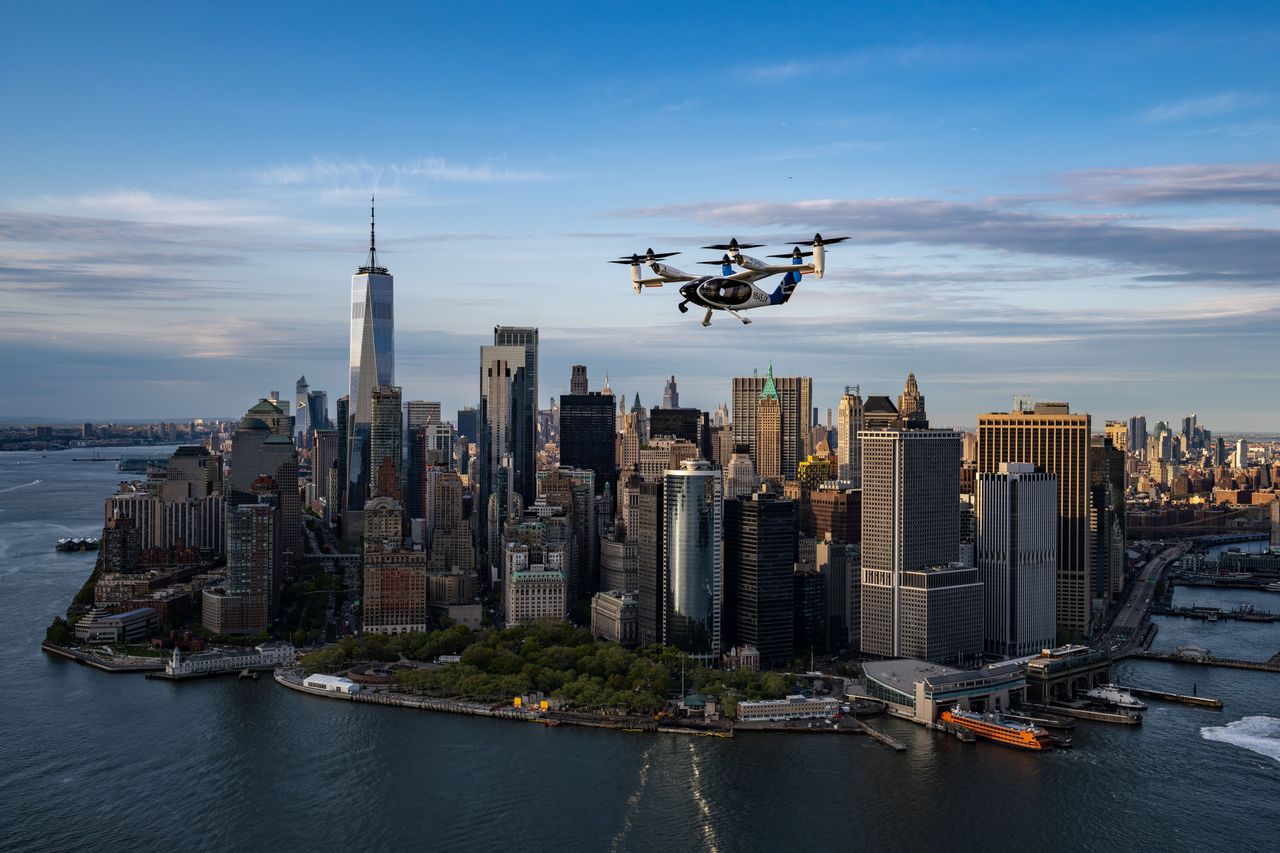
eVTOL Air Taxis: Who's Flying and When You Can Ride (2026)
Joby and Archer are flight-testing real eVTOL air taxis in the US and UAE. See who's certified, what a ride costs, and when you ca…