Drones Shut Down Amritsar Airport, 7 Flights Diverted
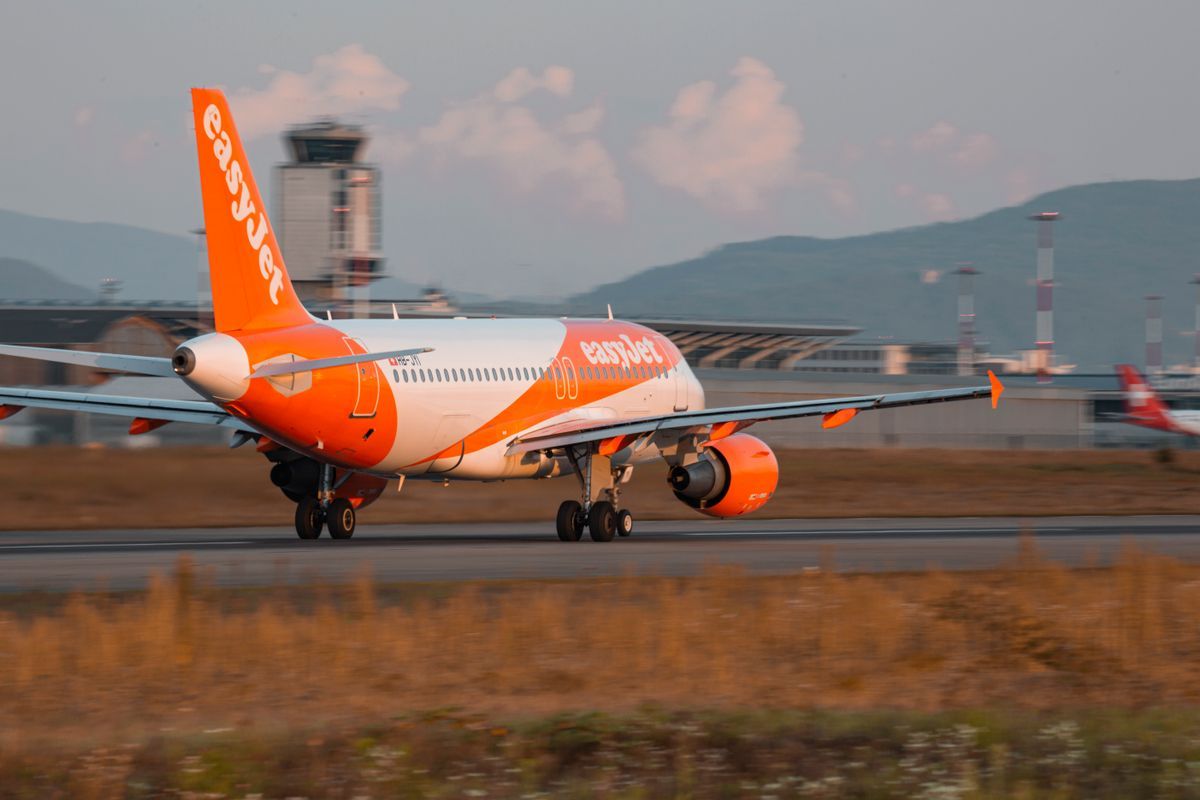
Multiple drones spotted over Sri Guru Ram Das Ji International Airport in Amritsar, India, forced a roughly 90-minute shutdown late on September 6, 2026, diverting seven flights to Delhi and Chandigarh. No injuries or damage were reported, and police have not identified the operator or origin of the drones.
What Happened at Amritsar Airport
Air Traffic Control received a report from the Indian Air Force at approximately 9:45 p.m. local time stating that drones had been spotted across the airfield, according to ANI. Airport Director Anirudh Kumar Sharma said the facility activated its standard operating procedure for drone sightings, convening a Joint Action Committee in the control tower that decided the activity "could disrupt scheduled landings," prompting a temporary closure.
Operations were suspended around 9:50 p.m. and resumed roughly 90 minutes later. With multiple aircraft already holding overhead, seven flights were diverted — two to Chandigarh and five to Delhi — including Malaysia Airlines' Kuala Lumpur–Amritsar service and an Air India flight from Delhi, according to The Week. The objects reportedly approached from the direction of Rudala village and hovered briefly over the runway before disappearing. CISF and Punjab Police were mobilized, and police say they have not yet determined who was flying the drones or where they came from.
Why Amritsar Is a Border Drone Hotspot
Amritsar sits roughly 30 km from the Pakistan border in Punjab, a state security agencies have flagged as ground zero for drone-borne smuggling. India's Border Security Force (BSF) has seized close to 200 drones along the Punjab border in 2026 alone, down from 294 in 2025 but with a sharp rise in weapons trafficking: this year's seizures already include 165 firearms — among them AK-47 rifles — plus roughly 1 kg of RDX explosives, according to Tribune India. Investigators say Pakistan-based traffickers increasingly use small quadcopters to drop weapons, ammunition, and narcotics across the frontier, with Amritsar, Tarn Taran, Ferozepur, and Gurdaspur districts named as the most frequent drop zones.
That backdrop is why Sunday's sighting triggered a full security response rather than a routine NOTAM. Unlike a wayward hobbyist aircraft, drones detected near an airport this close to an international border are treated as a potential incursion until proven otherwise — a threat model most Western airports don't have to weigh.
The Border Security Force has responded by expanding anti-drone units along the Punjab frontier, including jammers and radar-linked detection posts near known drop zones. But officials acknowledge coverage remains patchy across the roughly 553 km Punjab stretch of the border, which is why airfield staff still rely on visual and radar reports funneled through the Air Force rather than dedicated airport counter-drone systems.
What This Means for Drone Pilots
Amritsar is the latest example of a pattern showing up at airports worldwide: a small number of unidentified drones can ground commercial traffic for an hour or more, because most airports still lack the radar or RF-detection hardware to track and identify an intruding aircraft in real time. The same detection gap has driven ground stops and diversions at airports in the US and Europe this year, and it's a core reason regulators everywhere are tightening rules around flying near airports and other drone no-fly zones — restricted-airspace violations are treated as security incidents first and civil infractions second.
For pilots, the practical takeaway is unchanged wherever you fly: airport perimeters and approach paths are hard boundaries, not judgment calls. Even a legally flown drone that strays near an active runway can trigger the same committee-level shutdown Amritsar saw, with diversions, delays, and a police investigation following regardless of intent.
FAQ
Sources: ANI News | The Week | Tribune India
More like this
Related Articles
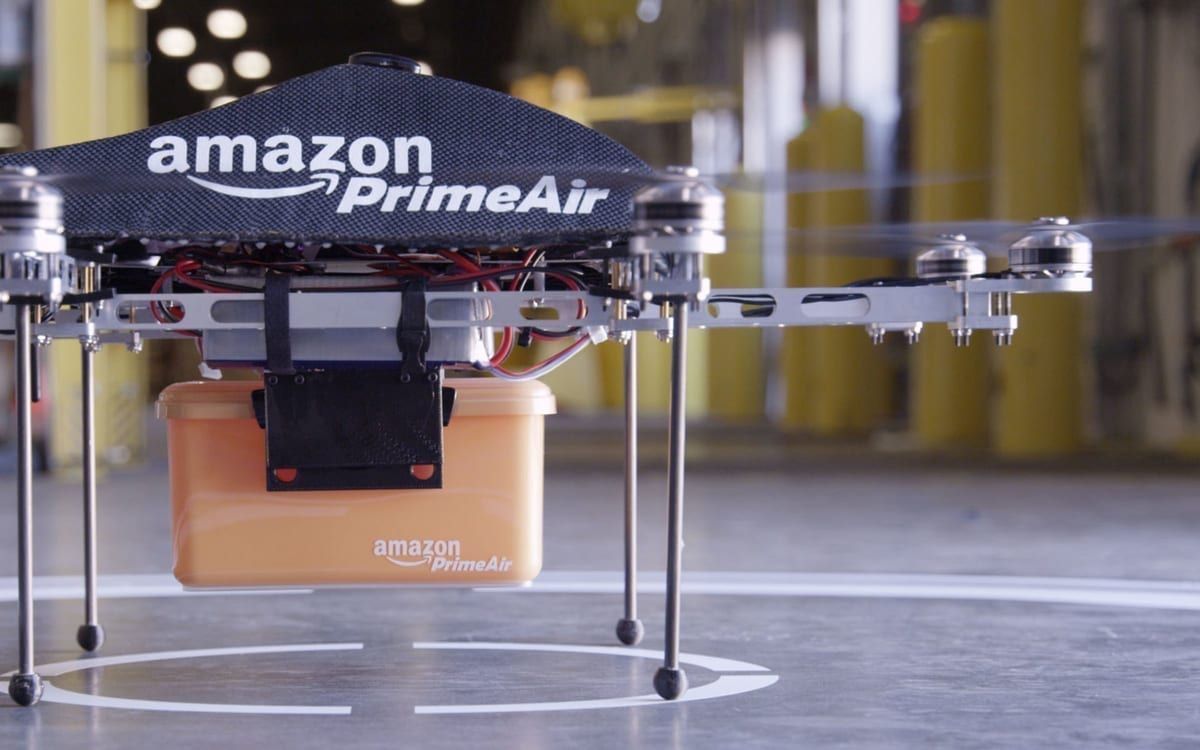
Massachusetts Drone Delivery Freeze: 16 Lawmakers Ask Healey
16 Massachusetts lawmakers asked Gov. Healey on Oct. 19, 2026 to freeze drone delivery certificates. MassDOT told Amazon it needs…
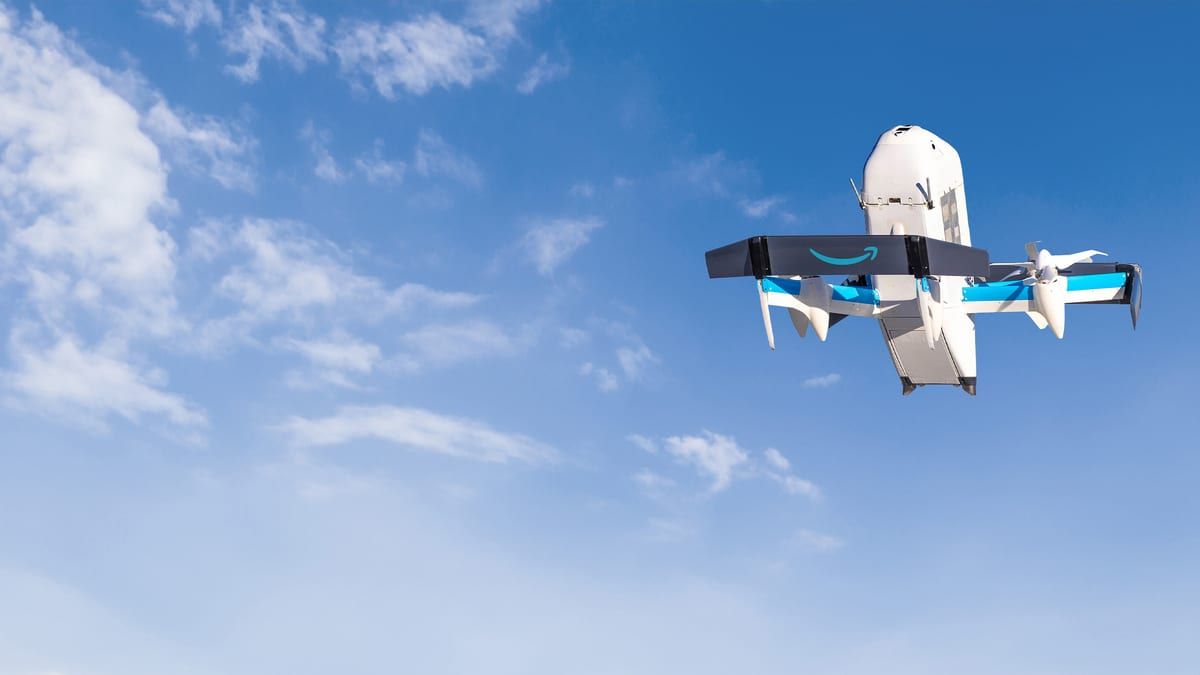
Amazon Drone Delivery Tallahassee: Mid-November Launch
Amazon Prime Air aims to start MK30 drone delivery in Tallahassee by mid-November, with up to 21 drones and a 7.5-mile range. Here…
Ghost Shark Sea Mines and Altius Drone Swarms Unveiled
Australia revealed Ghost Shark payloads on Oct. 19: 12 sea mines, Altius loitering-drone swarms and seabed caches. Here's what the…